
Skin quality · Burford
Acne & Acne Scarring in Burford, Oxfordshire
Acne, post-inflammatory marks and acne scarring are not the same problem. Start with what is active now and what has been left behind, then let the assessment separate the two.

START WITH THE PATTERN
Start with the type of acne or scarring, not with a treatment name.
Active breakouts, persistent marks and established scars can sit together, but they need different decisions and often a different order of treatment.
Vaiva assesses current inflammation, scar pattern, pigmentation, redness, sensitivity, skincare and previous treatment before discussing a plan. Hormonal, barrier and other health factors may also need consideration, and some presentations are better investigated or referred before cosmetic treatment.
Acne scarring refers to lasting textural or structural change after acne. Red or brown marks after a breakout can be persistent, but they are not automatically scars and may need a different approach.
COMMON PATTERNS
What this concern can look like.
These descriptions help organise what you may be noticing. They are not a substitute for assessment, and more than one pattern can be present at the same time.
Active inflammatory acne
Ongoing inflamed spots change what is appropriate to do first.
Post-inflammatory marks
Red or brown marks can remain after acne settles without representing true textural scarring.
Indented scarring
Atrophic scars can vary in depth and shape, so one procedure is rarely right for every scar.
Mixed presentations
Active acne, marks, sensitivity and scarring can coexist and may need staged treatment.
THE FACE FOR SOUL ASSESSMENT
We assess what is driving the change.
The concern name is only the starting point. Vaiva looks at the wider pattern before deciding whether treatment, skincare, referral, waiting or no treatment is appropriate.
Whole-face · skin-first · prescriber-led
Whether acne is currently inflamed and how often new lesions appear.
The depth, shape and distribution of established textural change.
Whether colour change is contributing to the visible concern.
How reactive the skin is and whether the routine is aggravating it.
Previous prescriptions, procedures, products and how the skin responded.
Hormonal pattern, health history or features that may warrant medical review.
Control active disease first → reduce avoidable inflammation → address marks and texture in the right order → review response before escalating
TREAT THE ACTIVE PROCESS FIRST
Treat the active process first
If acne is still inflamed, the priority may be barrier support, appropriate skincare or medical review before scar procedures.
MATCH THE PROCEDURE TO THE SCAR
Match the procedure to the scar
Microneedling, Morpheus8, peels or regenerative options may be discussed only when the scar pattern and skin condition make them appropriate.
WHAT WE MAY DISCUSS
Treatment follows assessment.
These are possible routes, not a menu you need to choose from before you arrive. Suitability, sequencing and whether treatment is needed are decided individually.
Medical skincare
A structured routine may be used to support acne control, barrier function and post-inflammatory change.
Chemical peels
Selected superficial peels may help some patients with congestion, tone or post-inflammatory marks.
Microneedling
May be considered for selected established acne scars once active inflammation is suitably controlled.
Regenerative or device-led care
Morpheus8 or PRP/PRF may be discussed for selected scars, texture or skin quality after assessment.
NOT SURE WHICH OPTION FITS?
You are not expected to self-diagnose.
Bring the change you have noticed, your questions and any relevant treatment history. The consultation is where the options are narrowed down.
Book a consultation →CLINICAL DECISION CONTEXT
The decision depends on what is driving the change.
The visible scar is only part of the decision. Active inflammation, scar depth, pigment response, sensitivity and previous treatment all change risk, sequencing and expected benefit. A plan that is useful for one acne pattern can be inappropriate for another.
The purpose of assessment is not to find the most intensive option. It is to find the most proportionate one.
WHAT TO EXPECT
A staged plan, not a race.
Some concerns respond to a change in home care. Others need time for tissue remodelling or a sequence of treatments. Review is part of the plan, not an afterthought.
Individual response, recovery and treatment intervals vary.
ASSESS
Assess
Separate active acne, marks and true scars before planning.
STABILISE
Stabilise
Prioritise active acne, barrier function and inflammation where needed.
TREAT
Treat
Introduce the most appropriate scar or texture treatment in stages.
REVIEW
Review
Allow enough time to judge change before adding or escalating treatment.
WHAT AFFECTS PROGRESS
Results are shaped by biology as well as treatment choice.
THE SKIN APOTHECARY
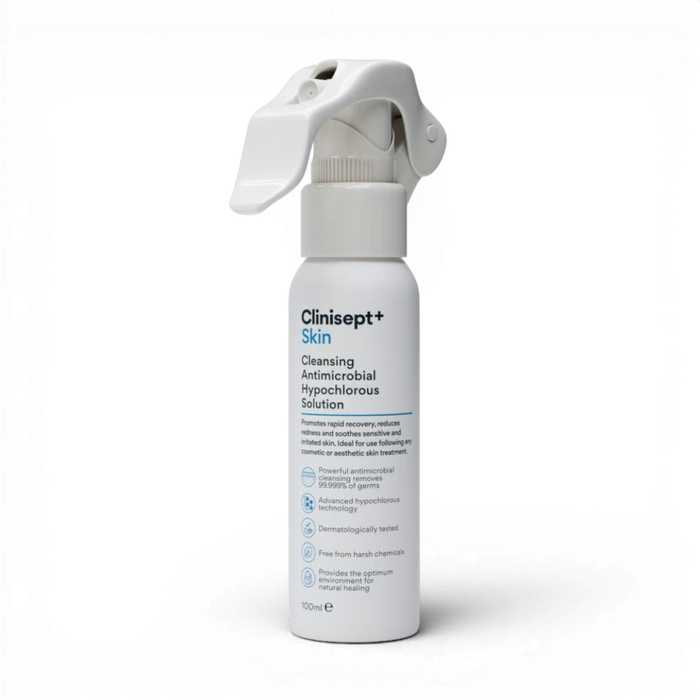
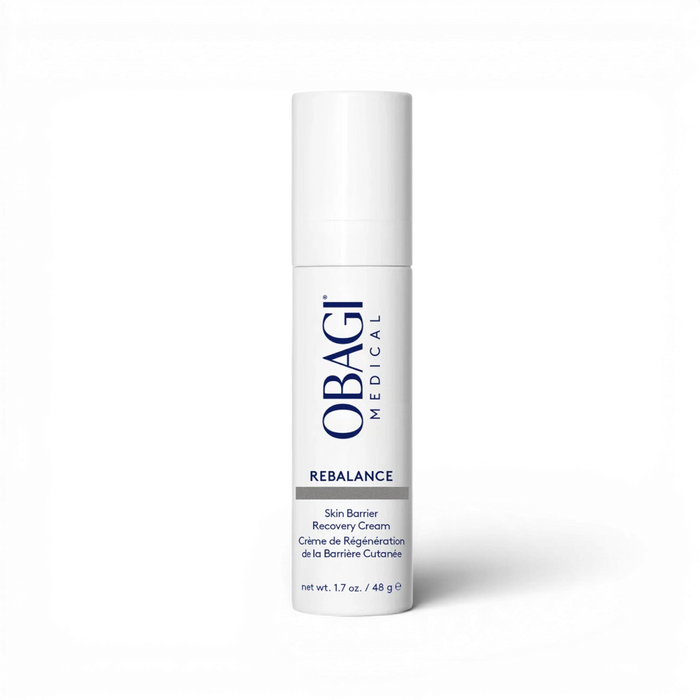
Home care can support the plan.
These products may be relevant to the concern, but suitability still depends on your skin, current routine and treatment plan. Prescription skincare is only considered through an appropriate clinical pathway.

QUESTIONS PATIENTS ASK
Frequently asked questions.
Can I have microneedling if I still have active acne?
Not always. Active inflammatory acne can change whether needling is appropriate, so the first step is to assess and stabilise what is active.
What is the best treatment for acne scars?
There is no single best scar treatment. The answer depends on scar type, depth, skin behaviour, pigmentation and whether acne is still active.
Are red or brown acne marks scars?
Not necessarily. Post-inflammatory redness or pigmentation can persist after acne without being a true textural scar.
Do I need to know which treatment I want before booking?
No. Bring the concern and your treatment history. The consultation is where the options are narrowed down.
YOUR FIRST STEP
Bring the concern. We will help with the decision.
You do not need to arrive knowing which treatment you need. Start with an assessment at Face for Soul in Burford.