
Skin quality · Burford
Dull & Dehydrated Skin in Burford, Oxfordshire
Dull or dehydrated skin can look flat, tight, rough or less reflective. The answer is not automatically more products or a more aggressive exfoliation routine.

START WITH THE PATTERN
Healthy-looking skin is not simply about adding more products.
Barrier disruption, environment, over-exfoliation, hormones, dehydration and an overly complicated routine can all reduce how comfortable and luminous the skin looks.
Vaiva looks at the current routine, skin comfort, oil and water balance, sensitivity, lifestyle context and previous procedures before deciding whether the skin needs simplification, barrier repair, medical skincare or an in-clinic treatment.
Dry skin is commonly used to describe low oil or lipid levels. Dehydrated skin refers to insufficient water content and can occur even in skin that also feels oily or congested.
COMMON PATTERNS
What this concern can look like.
These descriptions help organise what you may be noticing. They are not a substitute for assessment, and more than one pattern can be present at the same time.
Tight and flat-looking
Skin can feel tight or look less luminous when water balance and barrier function are poor.
Rough surface texture
Uneven shedding or over-treatment can reduce smoothness and light reflection.
Oily but dehydrated
Oil production does not exclude dehydration, so stripping the skin can make the cycle worse.
Reactive and depleted
A complicated or aggressive routine can leave skin both dull and sensitised.
THE FACE FOR SOUL ASSESSMENT
We assess what is driving the change.
The concern name is only the starting point. Vaiva looks at the wider pattern before deciding whether treatment, skincare, referral, waiting or no treatment is appropriate.
Whole-face · skin-first · prescriber-led
Cleansers, acids, retinoids, moisturisers and how often they are being used.
Tightness, stinging, flaking or sensitivity that suggests the skin needs calming.
Whether the skin feels dehydrated all day or mainly after cleansing and actives.
Whether excess oil or blocked pores are also part of the picture.
Season, indoor heating, travel and other factors that may worsen dehydration.
Recent peels, needling, devices or other procedures that can affect the barrier.
Simplify where needed → repair the barrier → build a sustainable routine → add in-clinic treatment only when it adds something useful
REPAIR BEFORE ESCALATION
Repair before escalation
If the barrier is disrupted, adding more actives or procedures can make the skin look and feel worse.
ADD TREATMENT WITH A REASON
Add treatment with a reason
Profhilo, skin boosters, selected peels or microneedling may be discussed when hydration, texture or skin quality goals justify them.
WHAT WE MAY DISCUSS
Treatment follows assessment.
These are possible routes, not a menu you need to choose from before you arrive. Suitability, sequencing and whether treatment is needed are decided individually.
Barrier-led skincare
A simpler routine can prioritise gentle cleansing, hydration, moisturising and daily SPF.
Skin boosters
May be discussed where injectable hydration and skin-quality support are appropriate after assessment.
Profhilo
May be considered for selected patients when tissue quality and hydration are part of the concern.
Peels or microneedling
Selected resurfacing or collagen-stimulating treatment may be introduced when the barrier can tolerate it.
NOT SURE WHICH OPTION FITS?
You are not expected to self-diagnose.
Bring the change you have noticed, your questions and any relevant treatment history. The consultation is where the options are narrowed down.
Book a consultation →CLINICAL DECISION CONTEXT
The decision depends on what is driving the change.
Dullness is descriptive rather than diagnostic. Skin can look dull because it is dehydrated, over-treated, congested, sun-damaged or changing hormonally. The useful decision is to identify the dominant pattern rather than keep adding products.
The purpose of assessment is not to find the most intensive option. It is to find the most proportionate one.
WHAT TO EXPECT
A staged plan, not a race.
Some concerns respond to a change in home care. Others need time for tissue remodelling or a sequence of treatments. Review is part of the plan, not an afterthought.
Individual response, recovery and treatment intervals vary.
ASSESS
Assess
Identify what is depleting the skin before changing the routine.
RESET
Reset
Simplify or repair the barrier where needed.
BUILD
Build
Introduce targeted home care or an in-clinic option for a defined reason.
REVIEW
Review
Judge comfort, texture and luminosity before adding more.
WHAT AFFECTS PROGRESS
Results are shaped by biology as well as treatment choice.
THE SKIN APOTHECARY
Home care can support the plan.
These products may be relevant to the concern, but suitability still depends on your skin, current routine and treatment plan. Prescription skincare is only considered through an appropriate clinical pathway.
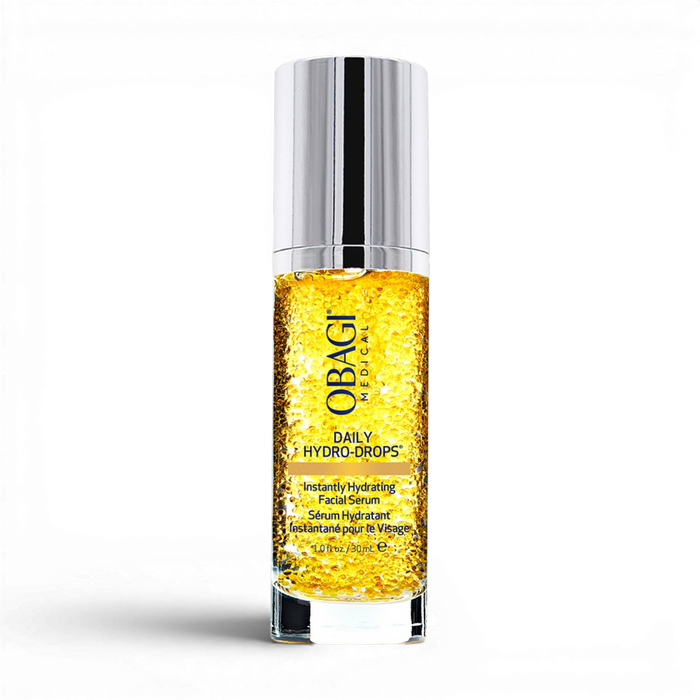
Hydration serum
Obagi Daily Hydro-Drops Facial Serum | Isoplentix Hydrating Serum
£95.00
View product →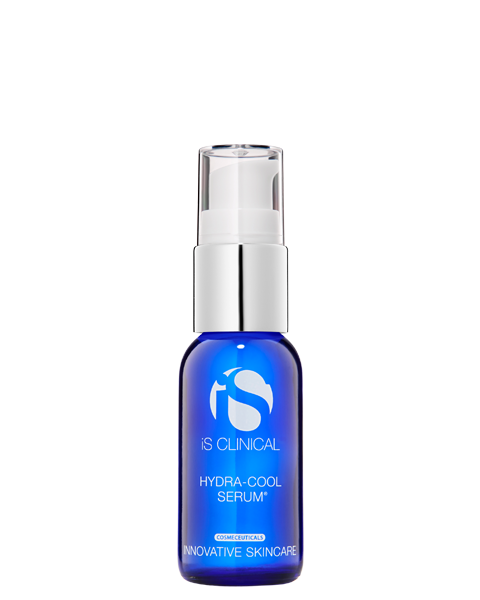
Cooling hydration support
iS Clinical Hydra-Cool Serum | Soothing Hydration Serum for All Skin Types
£67.00
View product →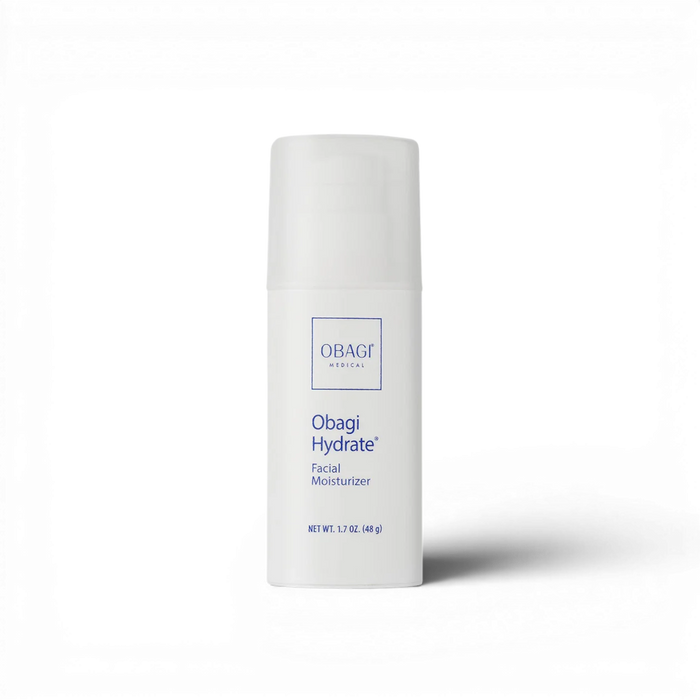
Daily moisturiser
Obagi Hydrate Facial Moisturizer | Clinically Proven 8-Hour Hydration
£65.00
View product →QUESTIONS PATIENTS ASK
Frequently asked questions.
What is the difference between dry and dehydrated skin?
Dry skin generally refers to reduced oil or lipid content, while dehydration refers to reduced water content. A person can have oily and dehydrated skin at the same time.
Do I need injectable treatment for dehydrated skin?
Not necessarily. A better home routine and barrier repair may be the first and most useful step.
Can over-exfoliation make skin look dull?
Yes. An overloaded routine can disrupt the barrier, increase sensitivity and make the skin look rougher or flatter.
How quickly should I add active products back?
That depends on how reactive the skin is. The aim is a routine the skin can tolerate consistently, not the maximum number of actives.
YOUR FIRST STEP
Bring the concern. We will help with the decision.
You do not need to arrive knowing which treatment you need. Start with an assessment at Face for Soul in Burford.