
REDNESS & ROSACEA · BURFORD, OXFORDSHIRE
Redness is a sign. Rosacea is a condition.
Flushing, persistent redness, visible vessels, burning, stinging and bumps can overlap. Not every red face is rosacea, so the safest starting point is understanding what pattern is actually present.

START WITH THE PATTERN
Not every red face is rosacea.
Redness is a visible sign rather than a diagnosis. It can be temporary or persistent and may be influenced by vascular reactivity, inflammation, skin barrier disruption, irritation, environmental exposure or a recognised skin condition.
Rosacea is a chronic inflammatory skin condition that commonly affects the central face. It can involve persistent redness, flushing, visible vessels, bumps, burning or stinging, and in some people eye symptoms. At Face for Soul, Vaiva looks at the pattern, duration, symptoms, triggers, current routine and previous diagnosis before deciding whether the next step is skincare, medical review, referral, a procedure, waiting or no treatment.
Redness is a sign, not a diagnosis. Persistent facial redness may be described clinically as erythema. Visible facial vessels may be described as telangiectasia, while burning, stinging, inflammatory bumps or ocular symptoms can point to a different clinical pattern. Assessment is used to decide whether skincare, medical review, referral, a procedure, waiting or no aesthetic treatment is appropriate.
COMMON PRESENTATIONS
What can facial redness look like?
These descriptions are educational, not a way to self-diagnose. More than one feature can be present at the same time, and not every presentation belongs in an aesthetics clinic.
Flushing
Redness that comes and goes, often with heat, emotion, exercise, temperature change, food, drink or other individual triggers.
Persistent background redness
A more constant red or pink tone, often across the cheeks, nose, chin or central face, which may sit alongside sensitivity.
Visible vessels
Fine facial blood vessels can become more noticeable over time and may sit alongside flushing or persistent redness.
Bumps, sensitivity & eye symptoms
Some patterns include papules or pustules, burning, stinging, dryness or eye irritation. Eye symptoms deserve particular attention.
VAIVA'S ASSESSMENT
Assessment is where the treatment decision is made.
Redness may be the visible concern, but the consultation looks at the pattern in context - duration, triggers, sensations, barrier health, treatment history and signs that may need medical review.
BURFORD · CONSULTATION-LED
Where the redness sits, how long it lasts and whether it is intermittent or persistent.
Heat, UV, exercise, alcohol, food, stress, temperature change and individual patterns.
Burning, stinging, itching, dryness, bumps, swelling or other associated symptoms.
Cleansers, active ingredients, exfoliation, moisturisers, SPF and anything that may be aggravating the skin.
What has already been tried, what helped, what irritated and any previous medical diagnosis.
Eye involvement, unusual changes or symptoms that may need medical review rather than aesthetic treatment.
Simplify / skincare / medical review / referral / procedure if appropriate / wait
SKIN-FIRST MEDICAL AESTHETICS
Calm the barrier before adding intensity.
Reactive skin does not always need more products or a stronger procedure. When the barrier is unsettled, simplifying the routine, reducing irritation and supporting daily photoprotection may be the more useful starting point.
PATTERN-LED ASSESSMENT
Treat what is actually present, not just “redness”.
Flushing, persistent erythema, visible vessels, inflammatory bumps and eye symptoms do not all require the same response. Referral, medical review, waiting or no aesthetic treatment can be valid outcomes.
RESULTS & PATIENT EXPERIENCES
Real outcomes need context.
Before and after images can show visible change, while the patient experience explains the plan behind it. Individual results vary according to the type of redness, triggers, skin behaviour, home care and treatment strategy.
FACE FOR SOUL PATIENT
Client result & experience
Vaiva's before and after photography, treatment pathway and genuine patient feedback will be added here with consent.
FACE FOR SOUL PATIENT
Client result & experience
Vaiva's before and after photography, treatment pathway and genuine patient feedback will be added here with consent.
FACE FOR SOUL PATIENT
Client result & experience
Vaiva's before and after photography, treatment pathway and genuine patient feedback will be added here with consent.
Images and patient feedback are shared only with consent. Individual outcomes cannot be guaranteed and a suitable plan can only be recommended after assessment.
A MEASURED STRATEGY
How redness and rosacea are approached at Face for Soul.
The goal is not to overpower reactive skin. It is to understand what is driving the redness, reduce avoidable aggravation and use the least aggressive plan that makes clinical sense.
Observe
Understand the pattern, triggers, symptoms and whether this looks like a skin concern that belongs in an aesthetics clinic at all.
Simplify
Remove unnecessary irritation and review cleansing, active ingredients, moisturising and sun protection.
Stabilise
Build a more tolerable baseline with barrier-supportive skincare and a routine the skin can sustain.
Escalate selectively
Medical review, referral or selected procedures may be considered when the presentation and skin are appropriate.
NOT SURE WHERE TO START?
You do not need to diagnose rosacea yourself.
Bring what you are noticing. Consultation is where Vaiva considers the pattern, symptoms, triggers, skin barrier, current routine and whether a medical pathway is more appropriate.
What happens at a consultation →EVIDENCE-INFORMED CARE
Rosacea care works better when the pattern guides the plan.
Current consensus supports a phenotype and feature-based approach rather than treating every patient as though rosacea presents in the same way.
Barrier care, trigger awareness and photoprotection can form part of management, while eye symptoms or uncertainty about diagnosis may need medical review rather than aesthetic treatment.
Peer-reviewed & clinical referencesExplore the published evidence behind this approach
EXPECTATIONS MATTER
Calmer skin is usually built through consistency, not intensity.
Redness can fluctuate and rosacea can be chronic. The aim is not simply to suppress what is visible today, but to understand the pattern, reduce avoidable aggravation and build a routine the skin can tolerate.
There is no universal timeline. The pace of change depends on the presentation, triggers, skin response, home care and whether medical treatment or referral is needed.
AT CONSULTATION
Understand what pattern is present.
Vaiva reviews where and when the redness occurs, associated symptoms, triggers, skincare, treatment history and anything that may need medical review.
EARLY ROUTINE
Create a calmer baseline.
The first step may be simplifying products, reducing irritation and supporting the skin barrier and daily photoprotection before anything more intensive is considered.
REASSESSMENT
Judge the response before escalating.
The skin is reviewed once the baseline is more stable. If a procedure or medical pathway is appropriate, the next step is chosen from what is actually present rather than from the label alone.
LONGER TERM
Maintain, monitor or refer.
Rosacea can be chronic and redness can fluctuate. Ongoing care may focus on a tolerable routine and trigger awareness, with medical review or referral when symptoms fall outside aesthetic care.
THE SKIN APOTHECARY
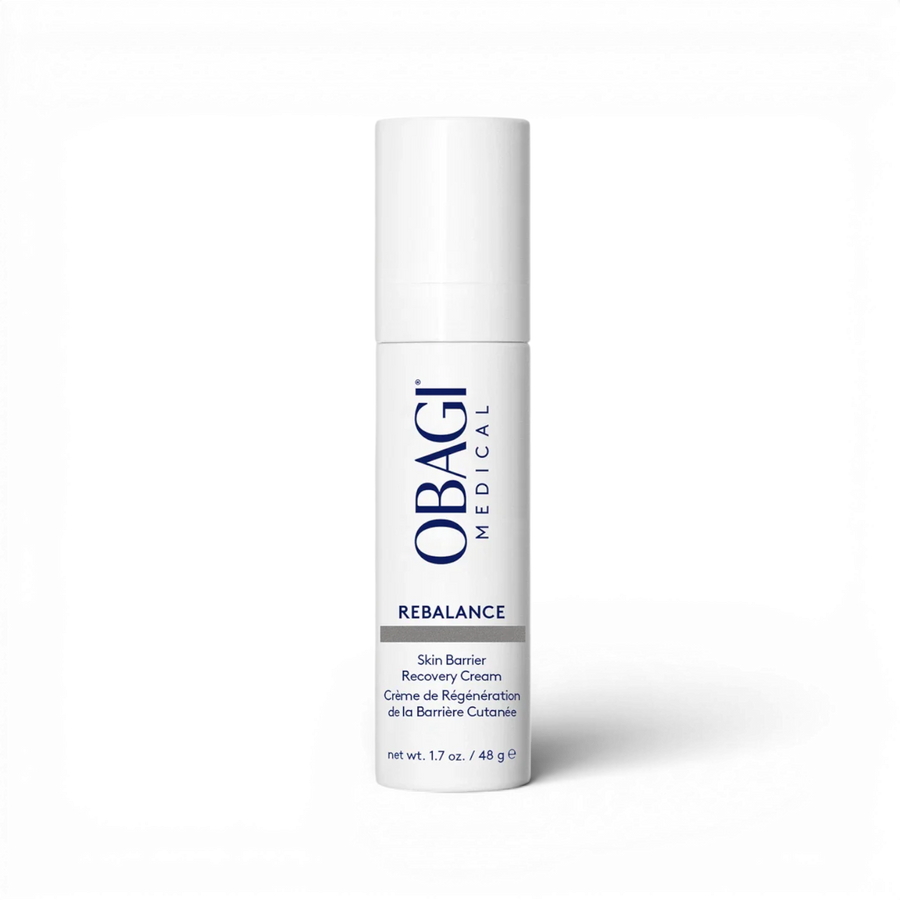
Support the skin barrier without turning the routine into a project.
These are examples of gentle, barrier-supportive products stocked by Face for Soul. They are not a substitute for assessment, and reactive skin does not always benefit from adding more products.
Explore medical skincare →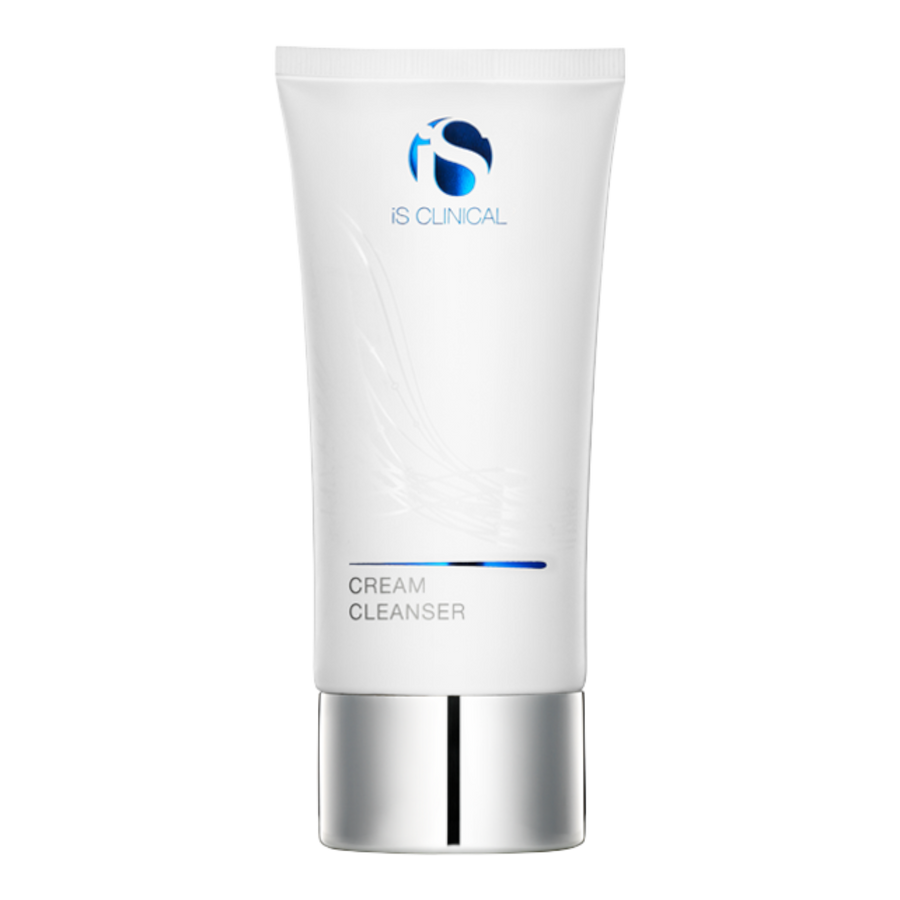

REDNESS & ROSACEA FAQ
Questions patients often ask.
Is facial redness always rosacea?
No. Redness can have several causes, including irritation, barrier disruption, inflammation, vascular reactivity and other skin conditions. Assessment helps distinguish the pattern before treatment is chosen.
What can trigger rosacea flushing?
Commonly reported triggers include heat, sunlight, exercise, alcohol, spicy foods, stress and temperature changes, but triggers vary between individuals.
Can skincare make redness worse?
Yes. Over-exfoliation, harsh cleansing, irritating active ingredients or repeatedly changing products can aggravate reactive skin. A simpler routine may be more useful.
Does rosacea need medical treatment?
Some people benefit from medical treatment, particularly when symptoms are persistent, inflammatory or involve the eyes. Face for Soul may recommend medical review or referral where appropriate.
Can aesthetic procedures cure rosacea?
No. Rosacea should not be presented as something an aesthetic procedure can cure. Selected procedures may have a role for certain features, but only after appropriate assessment.
Can rosacea affect the eyes?
Yes. Eye symptoms can occur with rosacea. Persistent irritation, pain, light sensitivity or visual change should be medically assessed, and urgent symptoms should not be treated as a cosmetic concern.
YOUR FIRST STEP
Bring the redness concern. We will help with the decision.
You do not need to arrive knowing whether you need skincare, medical review, a procedure or no treatment at all. Start with an assessment at Face for Soul in Burford.