Map the concern
We review where the problem appears, how long it has been present and what makes it better or worse.

MEDICAL SKINCARE · BURFORD, OXFORDSHIRE
Skincare selected as part of a clinical plan, not a shelf of trends.
A good routine should fit the skin in front of us, the concern being treated, what you already use and what you can realistically maintain. The consultation may lead to a simple home routine, prescription-led care where appropriate, an in-clinic treatment plan, referral or no change at all.

01 · THE CONSULTATION
The goal is fewer unnecessary products and clearer clinical logic.
Skincare can be the treatment plan on its own, or it can prepare the skin for procedures and support recovery afterwards. The right route depends on the concern, skin barrier, sensitivity, pigmentation pattern, acne activity, redness, current products and previous reactions.
Face for Soul does not treat product quantity as a measure of quality. A cleanser, moisturiser and photoprotection may be enough for one person, while another may need targeted active ingredients, prescription assessment or a staged treatment plan.
Skin concern, distribution, sensitivity, barrier function, treatment history and current routine are reviewed.
Products that duplicate, irritate or confuse the routine can be removed before more are added.
Active ingredients are selected for a defined concern rather than because they are trending.
The plan is adjusted according to tolerance, adherence and whether the skin is actually improving.
02 · SUITABILITY
The useful question is whether a product, active ingredient or prescription pathway is appropriate for the concern, skin type, tolerance and wider treatment plan. Expensive or highly active does not automatically mean better.
01 MAY BE USEFUL WHEN
02 ANOTHER ROUTE MAY FIT BETTER
VAIVA'S ASSESSMENT
The plan considers the concern, barrier, current products, lifestyle and treatment goals before deciding whether to add, remove or change anything.
Burford · West Oxfordshire · Cotswolds
Acne, redness, pigmentation, dehydration, sensitivity, texture and ageing changes are separated rather than treated as one generic “skin quality” problem.
Dryness, irritation, stinging, sensitivity and previous reactions influence how quickly actives can be introduced.
What you already use, how often you use it and what is actually helping are reviewed before new products are recommended.
Retinoids, exfoliating acids, pigment-targeting ingredients, antioxidants and other actives are matched to a defined purpose and tolerance.
Daily UV protection is considered part of treatment planning, especially for pigmentation, photoageing and during skin recovery around selected procedures.
The routine is coordinated with chemical peels, microneedling, Morpheus8 and other procedures so preparation and recovery are not competing with active skincare.
simplify routine / targeted home care / prescription assessment / procedure / refer / monitor / no change
CLINICAL RESTRAINT
03 · APPOINTMENT
Photographs of products or the products themselves can help. The consultation is about deciding what to keep, stop, add or investigate.
We review where the problem appears, how long it has been present and what makes it better or worse.
Cleanser, moisturiser, SPF, actives, prescription products and occasional treatments are reviewed together.
Duplicated exfoliants, overlapping retinoids or unnecessarily aggressive combinations can be removed or staggered.
The routine is prioritised by what matters most now, with clear frequency and sequencing rather than an overloaded shelf.
Skin tolerance, adherence and change over time determine whether anything should be added, stopped or escalated.
04 · RESULTS & EXPECTATIONS
Remove unnecessary irritation and establish the essential routine.
Active ingredients are introduced or adjusted according to skin response.
Acne activity, pigmentation, redness, texture and barrier stability are reviewed over a clinically sensible timeframe.
The plan changes only when response, tolerance or the original diagnosis justifies it.
Topical care can improve many surface and inflammatory skin concerns, support barrier function and reduce avoidable triggers. It cannot replace structural treatment where the problem sits deeper in the face, and it should not delay medical assessment of a concerning skin condition.
That depends on the concern and active ingredient. Acne, pigmentation and photoageing generally require consistent use over weeks to months rather than frequent product switching.
Irritant dermatitis, allergic reactions, excessive dryness and barrier disruption can occur when products are unsuitable or too many actives are combined. Worsening symptoms are a reason to reassess the routine, not automatically add another active.
05 · USING THE PLAN
A routine only works if it can be used consistently. The plan should make clear what is essential, what is optional and what should be paused around procedures.
Cleanse appropriately, support the barrier and use daily photoprotection suited to the skin and concern.
Add active ingredients one purpose at a time so tolerance and benefit can be judged.
Pause or modify selected actives around procedures when advised rather than treating home care and clinic treatment as separate systems.
THE SKIN APOTHECARY
Recommendations below only appear when the product is currently available online. Prescription-only products are not presented as ordinary retail purchases and require the appropriate clinical pathway.
Browse current skincare products →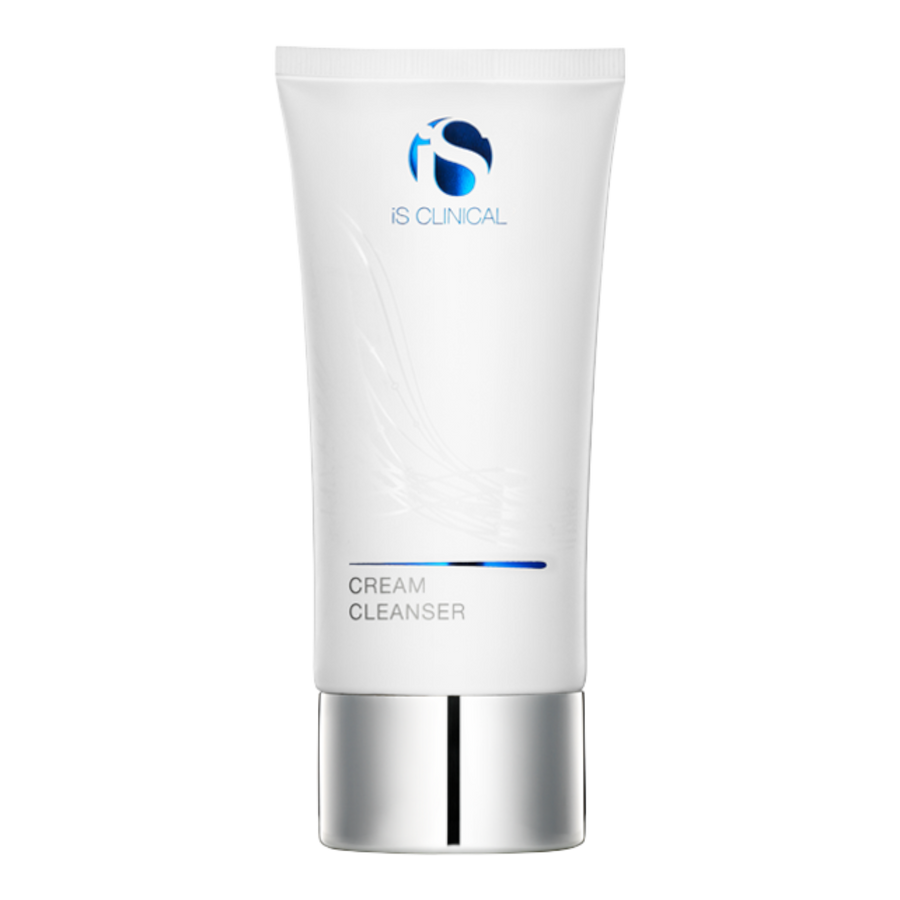
A gentle cleansing option for selected dry or sensitive skin routines.
View product →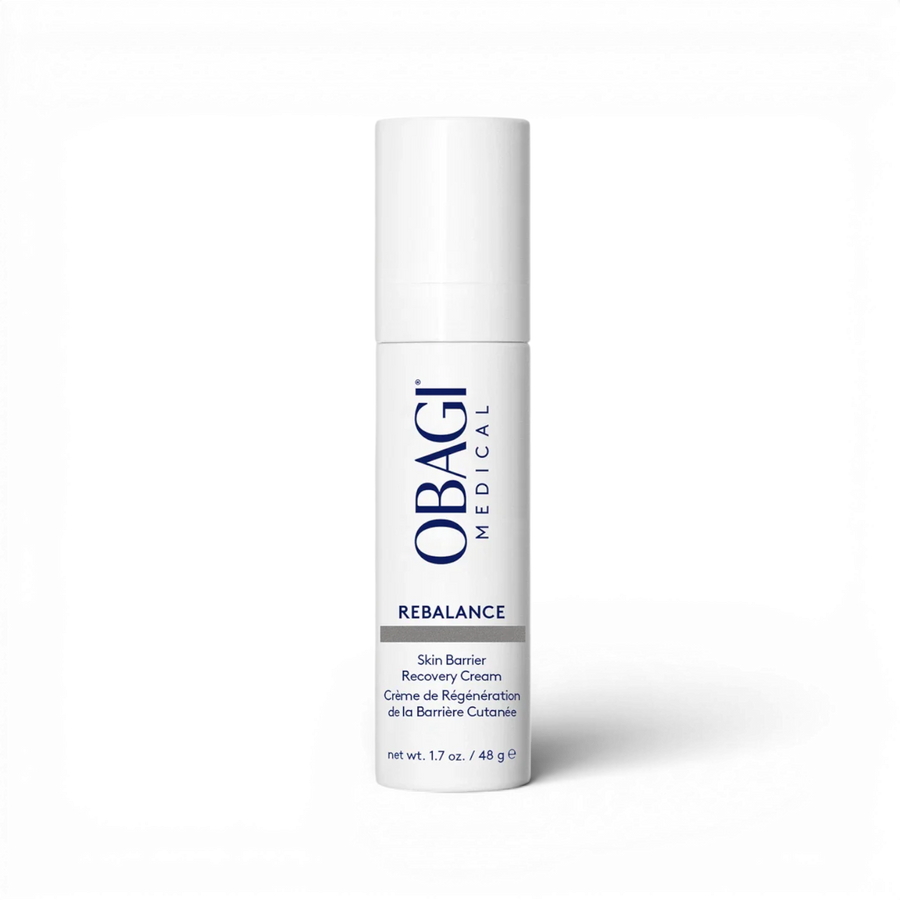
Barrier-support moisturising for skin that is dry, reactive or recovering from irritation.
View product →
Broad-spectrum mineral photoprotection for suitable routines.
View product →NOT SURE WHAT YOUR SKIN ACTUALLY NEEDS?
We can decide what to keep, stop, add, prescribe, investigate or leave alone.
06 · CHOOSING THE PATHWAY
The right pathway depends on the diagnosis, severity, skin tolerance and whether the concern is primarily epidermal, inflammatory, pigmentary or structural.
07 · CLINICAL EVIDENCE
The 2024 American Academy of Dermatology acne guideline supports several topical treatment classes, including retinoids and benzoyl peroxide, while emphasising multimodal treatment rather than a single universal product. For rosacea and sensitive skin, expert consensus supports a routine that integrates appropriate cleansing, moisturisation, treatment and photoprotection, with tolerability and adherence central to outcomes. Photoprotection also has a clear evidence base: a JAAD review published online in 2024 and in the 2025 journal volume describes sunscreen as part of comprehensive protection against photoageing and pigmentary disorders, while newer reviews of tinted sunscreens report added visible-light protection that can be relevant in melasma and other hyperpigmentation disorders. The practical message is that skincare should be concern-specific, tolerable and consistent rather than maximal.
08 · LONGER-TERM PLANNING
Review is useful when seasons, hormones, procedures, prescriptions or the skin concern itself change. Maintenance may mean continuing the basics, reducing actives or doing less once the skin is stable.
09 · FAQs
No. A routine should contain the fewest steps needed to achieve the treatment objective while remaining tolerable and realistic to use consistently.
It is not the label that determines whether a product is appropriate. The useful questions are which active ingredients it contains, at what strength, how well the formulation is tolerated and whether it fits the concern being treated.
Topical treatments are central to acne management, but the right approach depends on acne type, severity, scarring risk and previous treatment. Moderate, severe or persistent acne may need prescription or dermatology input rather than retail skincare alone.
Yes, depending on the cause. Pigmentation plans often combine targeted topical ingredients with consistent photoprotection. Some forms of pigmentation need medical diagnosis or procedure-based treatment as well.
Daily photoprotection is particularly important when treating pigmentation or photoageing and around selected procedures or active ingredients where protection supports the treatment plan. The most useful product is one that provides appropriate protection and is comfortable enough to use consistently.
Sometimes products need to be paused before or after chemical peels, microneedling, Morpheus8 or other treatments. The exact plan depends on the active ingredient, procedure and skin response.
Prescription-only treatment requires an appropriate clinical assessment and should not be treated like ordinary retail skincare. Where treatment is clinically indicated and sits within prescribing scope, it follows the relevant prescribing pathway. Some skin conditions are better managed with GP or specialist dermatology input, in which case referral is more appropriate than prescribing within the skincare consultation.
Face for Soul is based in Burford, Oxfordshire, welcoming patients from West Oxfordshire and across the Cotswolds.