
TIRED & AGEING EYES · BURFORD, OXFORDSHIRE
Tired-looking eyes are rarely caused by one thing.
Hollows, shadow, puffiness, fine lines, crepey skin and pigmentation can overlap. What looks like one under-eye concern may involve skin, volume, fluid, bone, fat pads and the way light falls across the face.

START WITH WHAT YOU NOTICE
The same “tired” look can come from different changes.
Darkness beneath the eyes can be true pigment, visible vessels, a hollow casting a shadow, or a mixture. Puffiness may reflect fluid, tissue position or prominent fat pads. Fine lines can sit alongside thinning, crepey skin.
At Face for Soul, Vaiva assesses the eye area in the context of the whole face. The first task is separating skin quality, pigment, shadow, hollowing and puffiness. If medical review, oculoplastic assessment or surgery is more appropriate, referral is a valid outcome.
Face for Soul is based in Burford, Oxfordshire, welcoming patients from West Oxfordshire and the wider Cotswolds.
COMMON PATTERNS
What can make the eye area look tired or older?
These descriptions are useful starting points, not diagnoses. Several features can be present at the same time, which is why the plan should follow the dominant cause rather than the label “tired eyes”.
Hollowness & tear trough
A groove or loss of support beneath the eye can create shadow even when the skin itself is not dark.
Puffiness & bags
Fluid tendency, tissue position and prominent orbital fat can all contribute. Adding volume is not always appropriate.
Dark circles & shadow
Pigment, vessels, thin skin and facial anatomy can overlap, so dark circles need a cause-led assessment.
Crepey skin & fine lines
The eyelid and under-eye skin is thin. Collagen change, movement, dryness and sun exposure can make texture more visible.
VAIVA'S ASSESSMENT
A tired-looking eye area is not a diagnosis.
The same concern can be caused by very different things. The treatment decision is made by identifying the dominant cause before deciding whether treatment is appropriate.
BURFORD · CONSULTATION-LED
Distinguishing structural shadow from true colour change before choosing treatment.
Looking at swelling tendency, bags and tissue position before considering volume.
Assessing texture, fine lines, hydration, sun exposure and visible vessels.
Considering whether cheek and midface support contribute to the under-eye transition.
Looking at expression and how the wider face interacts with the eye area.
Including old filler, previous procedures, medical history and tolerance for downtime.
Skincare / regenerative treatment / structural support / device-based treatment / wait / dissolve / referral
WHOLE-FACE ASSESSMENT
The eye area is not assessed in isolation.
Where relevant, Vaiva considers facial structure, movement, skin quality and surrounding soft tissues alongside the eye area. This helps avoid treating a shadow, hollow or line without understanding the wider face.
CLINICAL RESTRAINT
Looking tired does not automatically mean you need filler.
Sometimes the issue is skin quality, pigment, puffiness or anatomy. Sometimes a different area matters more. Sometimes the safest decision is skincare, waiting, dissolving old filler, referral or no treatment.
PATIENT STORIES
Real experiences, with the treatment decision in context.
Read how patients describe their consultations, treatment decisions and experience at Face for Soul rather than viewing isolated before-and-after images without context.
Read Patient Stories →A CAUSE-LED STRATEGY
How the eye area may be approached at Face for Soul.
The aim is not simply to fill a hollow or smooth a line. The plan should match the feature that is actually creating the tired appearance.
If skin quality is contributing
Hydration, barrier function, pigmentation, texture and photoprotection may be addressed first through medical skincare and selected skin-quality treatment.
If tissue quality is contributing
Polynucleotides or PRP & PRF may be considered where skin or tissue quality is the objective. They are not substitutes for structural correction.
If support has changed
For suitable anatomy, conservative structural support may soften a true hollow. Midface support may matter more than placing product directly beneath the eye.
If bags, swelling or previous filler dominate
Prominent bags, oedema tendency, significant skin excess or complex previous filler may make direct under-eye filler unsuitable. Dissolving, waiting or referral can be the better plan.
NOT SURE WHAT IS CAUSING IT?
You do not need to decide between filler, polynucleotides or skincare before booking.
Bring what you are noticing. Consultation is where Vaiva separates skin quality, pigment, shadow, hollowing, puffiness and structural change before discussing options.
What happens at a consultation →EVIDENCE-INFORMED CARE
The under-eye area rewards restraint.
Published evidence supports a cause-led approach. Under-eye darkness and ageing are multifactorial, while filler and regenerative treatments solve different problems.
Suitability, anatomy, fluid behaviour and realistic expectations matter more than choosing a fashionable procedure. Significant bags or excess skin may be better served by surgical assessment than repeated non-surgical treatment.
Peer-reviewed referencesExplore the published evidence behind this approach
EXPECTATIONS MATTER
A fresher eye area does not always mean adding volume.
The goal is to improve what can reasonably be improved without forcing every concern into the same treatment. Some changes are primarily skin, some structural and some better left alone or referred.
The sequence and timeframe depend on anatomy, previous treatment, skin quality and whether puffiness or bags are part of the picture.
IDENTIFY
Separate the causes.
Distinguish hollow, shadow, pigment, puffiness and skin quality before deciding what to treat.
IMPROVE SKIN
Strengthen what can be strengthened.
Support barrier, texture and collagen where skin quality is part of the concern.
TREAT SELECTIVELY
Respect the anatomy.
Use structural or device-based treatment only where the anatomy and objective support it.
MAINTAIN OR REFER
Know the limit.
Review over time, maintain when useful and refer when non-surgical treatment is not the right tool.
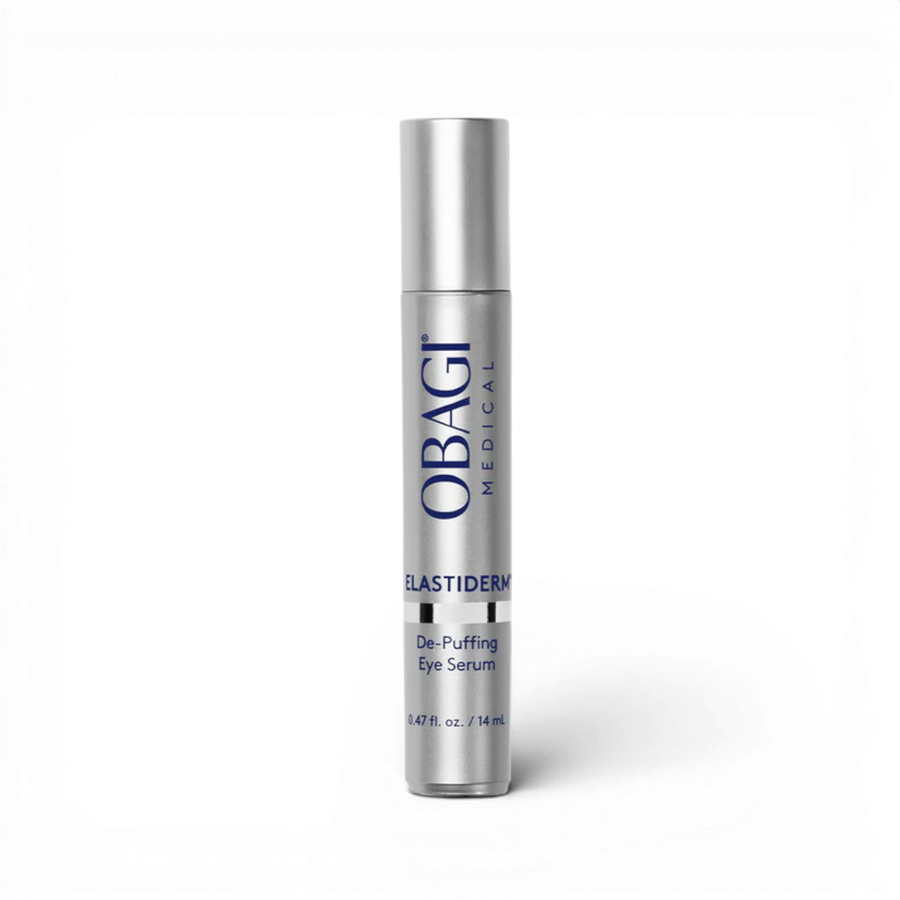
THE SKIN APOTHECARY
Support the skin around the eyes between appointments.
Home care may support hydration, barrier function, antioxidant protection, pigmentation management and the appearance of fine lines. It cannot restore lost structural support, remove eye bags, correct fat prolapse or replace assessment when deeper anatomy is contributing.
Explore medical skincare →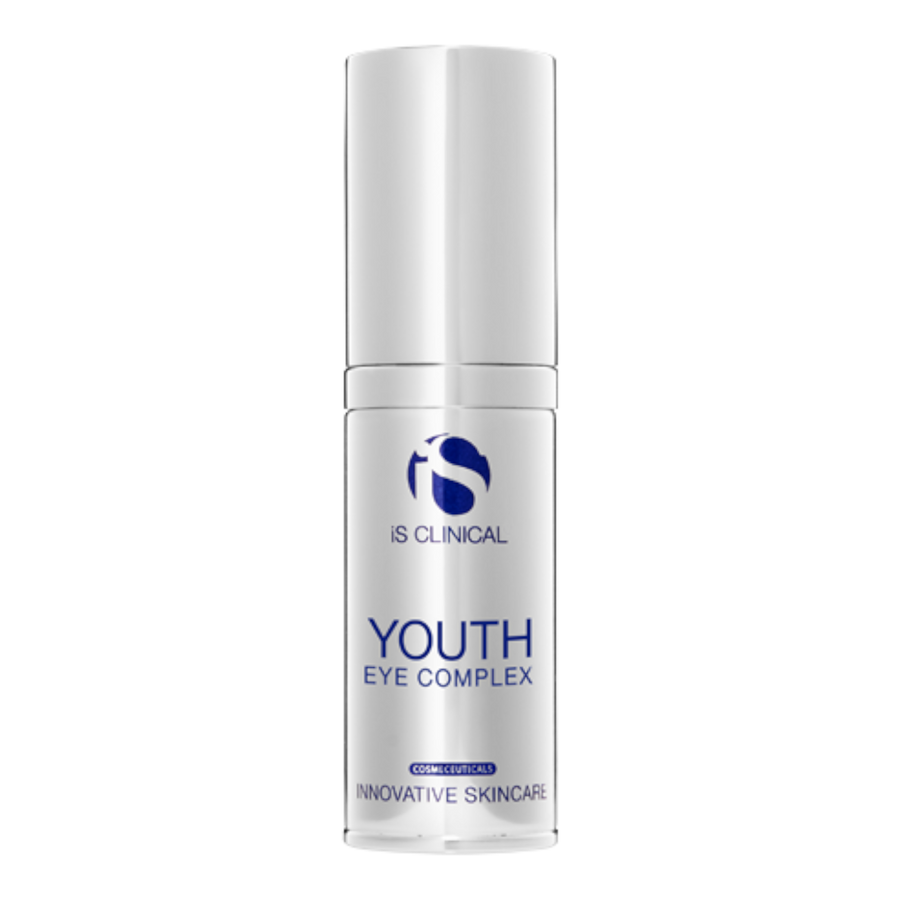

TIRED & AGEING EYES FAQ
Questions patients often ask.
Why do my eyes look tired even when I sleep well?
Sleep is only one factor. Hollowing, shadow, thin skin, pigment, visible vessels, puffiness and facial structure can all create a tired appearance even when you are well rested.
Are dark circles caused by pigmentation or hollowness?
They can be either, or both. True pigment needs a different strategy from a hollow that creates shadow, which is why assessment matters before choosing a treatment.
Do tired-looking eyes always need filler?
No. Skin quality, pigment, puffiness, fluid tendency and anatomy can all create a tired appearance. Filler is only considered when a suitable structural deficit is actually contributing.
Is tear trough filler right for everyone?
No. It may suit selected patients with true structural hollowing, but oedema tendency, prominent bags, very thin tissues or previous filler can make it a poor choice.
Can filler make under-eye puffiness worse?
It can in some people. The under-eye area is prone to fluid-related issues, so previous swelling and tissue behaviour are important parts of the assessment.
Are polynucleotides suitable around the eyes?
They may be considered where skin quality is the main objective. They should not be presented as structural correction for significant hollowing or bags.
What helps crepey under-eye skin?
A plan may include appropriate skincare, photoprotection and selected regenerative or collagen-supporting treatments. The right option depends on skin thickness, sensitivity and the wider eye-area anatomy.
Can eye bags be treated without surgery?
Some surrounding skin or contour concerns can be improved non-surgically, but significant fat prolapse or excess skin may be better assessed surgically. Referral can be the most appropriate recommendation.
Can skincare fix under-eye hollows or bags?
No. Skincare can support hydration, barrier health, tone, pigmentation and fine surface lines, but it cannot restore structural support or remove prominent fat pads.
What if I already have old under-eye filler?
Vaiva will assess what is present, how the area behaves and whether filler may be contributing to swelling or contour change. Sometimes the better plan is to leave it alone, wait or discuss dissolving.
YOUR FIRST STEP
You do not need to know what treatment you need.
If your eyes look more tired or different than they used to, the consultation is there to understand why. We assess the whole face, explain what may be contributing and discuss whether skincare, regenerative treatment, structural treatment, waiting, referral or no treatment is the most sensible next step.