Consult & assess
The concern, medical history, previous treatment and suitability for an autologous platelet concentrate are reviewed.

PRP & PRF · BURFORD, OXFORDSHIRE
Autologous platelet treatments selected around the tissue, concern and protocol.
PRP and PRF are prepared from a small sample of your own blood. They are not identical treatments, and one is not automatically better than the other. At Face for Soul, preparation method, treatment area and clinical goal are considered together before either is recommended.

01 · THE TREATMENT
PRP and PRF are platelet-derived treatments, not interchangeable labels for the same procedure.
Platelet-rich plasma, or PRP, is a plasma preparation containing a higher concentration of platelets than baseline blood. Platelet-rich fibrin, or PRF, is prepared differently and forms a fibrin-rich matrix that can retain platelets and other cells within the concentrate.
Processing methods vary substantially between devices and protocols. That matters because platelet concentration, leukocyte content, fibrin architecture and final volume can differ. Face for Soul therefore avoids presenting PRP or PRF as a generic product with one universal effect.
Skin, scalp, anatomy, diagnosis, medical history and the actual treatment objective are reviewed first.
PRP, PRF, another mechanism or no treatment is chosen according to the concern rather than trend.
A small blood sample is collected and processed according to the planned platelet concentrate protocol.
The concentrate may be injected or used within a combination plan, then reviewed according to response.
PRP OR PRF MAY BE DISCUSSED WHEN YOU NOTICE
02 · SUITABILITY
Hair thinning, under-eye change, scarring and general skin ageing can each have different causes. A platelet concentrate is useful only when the underlying concern and the chosen protocol make sense together.
01 MAY BE CONSIDERED
02 ANOTHER ROUTE MAY FIT BETTER
VAIVA'S ASSESSMENT
The decision is not simply PRP versus PRF. It is whether a platelet concentrate is the right mechanism at all, and if so, which preparation and delivery method best fits the clinical goal.
Burford · West Oxfordshire · Cotswolds
Skin quality, scarring, under-eye change or hair loss is defined before selecting a regenerative pathway.
Medicines, blood or platelet disorders, previous procedures and relevant health history are reviewed.
Inflammation, infection, barrier stability, scalp health and tissue quality can change timing or suitability.
PRP and PRF protocols vary. The final concentrate should be understood in the context of the device and intended use.
Injection, microneedling-assisted use or another combination approach is chosen only when clinically appropriate.
Microneedling, polynucleotides, skincare, hair-loss treatment, structural treatment or referral may be more relevant.
Diagnosis / PRP / PRF / combination treatment / another mechanism / referral / wait / no treatment
CLINICAL RESTRAINT
03 · APPOINTMENT
Preparation and delivery depend on whether PRP or PRF is being used, the treatment area and whether it forms part of a combination plan.
The concern, medical history, previous treatment and suitability for an autologous platelet concentrate are reviewed.
A small amount of blood is drawn using the clinic's planned collection protocol.
The sample is centrifuged and prepared as PRP or PRF according to the intended treatment and protocol.
The prepared concentrate may be injected or used within a planned procedure such as microneedling, depending on the indication.
Further treatment is based on indication and response rather than assuming every patient needs the same course.
04 · RESULTS & RECOVERY
Injection points, redness, tenderness or swelling may be visible. Scalp treatment can feel sore or tight.
Bruising or swelling can persist for several days, particularly in delicate areas such as under the eyes.
Any change in skin quality or hair parameters is gradual rather than an immediate correction.
The next step depends on diagnosis, protocol, treatment goal and response.
For skin, the aim may be improvement in selected measures such as texture, hydration or elasticity. For pattern hair loss, research most consistently examines hair density and count. Evidence and expected response differ between indications and protocols.
Many published protocols use a course rather than one isolated treatment, but there is no universal schedule. Your plan is based on diagnosis, preparation method, treatment area and response.
Redness, swelling, tenderness and bruising can occur. Blood draw can also cause bruising or light-headedness. Infection and other injection-related complications remain possible despite the material being autologous.
05 · BEFORE & AFTERCARE
Aftercare differs between scalp, face, under-eye and combination procedures. Follow the instructions given for your specific treatment rather than a generic PRP or PRF routine.
Tell the clinic about medicines, supplements, blood or platelet conditions, recent illness and any change in your health before treatment.
Avoid rubbing, pressing or unnecessarily irritating treated areas while redness, swelling or tenderness settles.
Use simple skincare after facial treatment and appropriate scalp care after hair treatment. Daily sun protection remains important for exposed skin.
SKIN & SCALP APOTHECARY
Products are shown only when available online and should fit the treatment area and wider plan.
Explore medical skincare →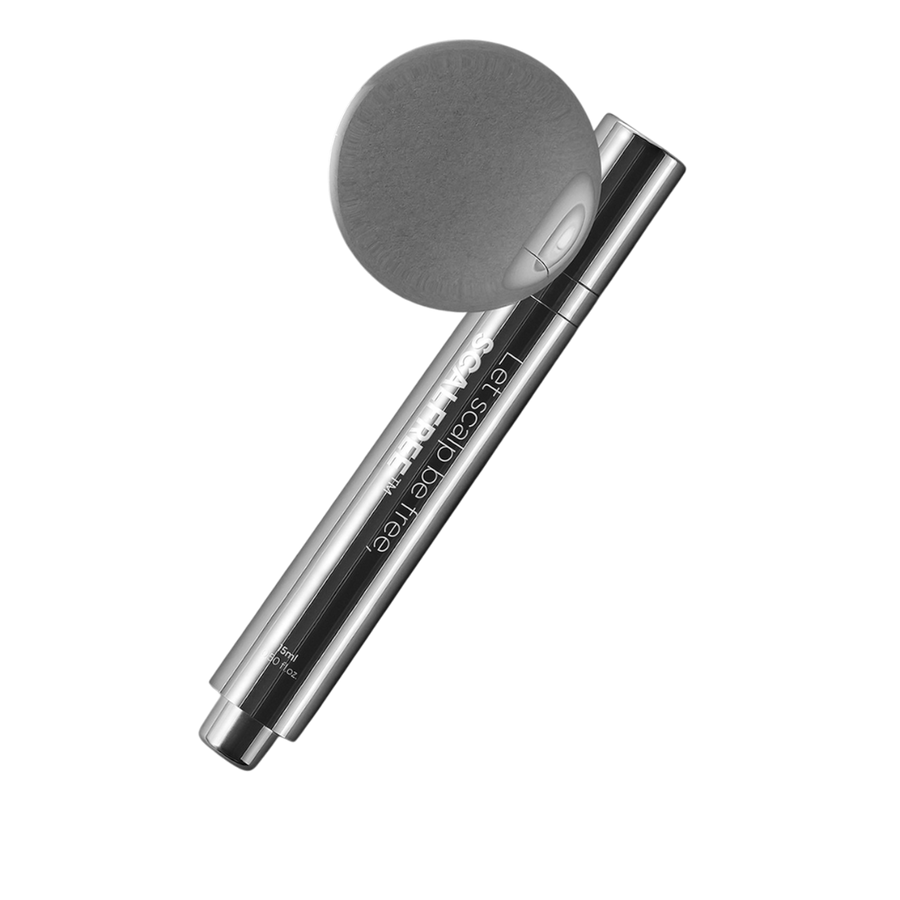
Scalp-support option to discuss where hair and scalp care form part of the plan.
View product →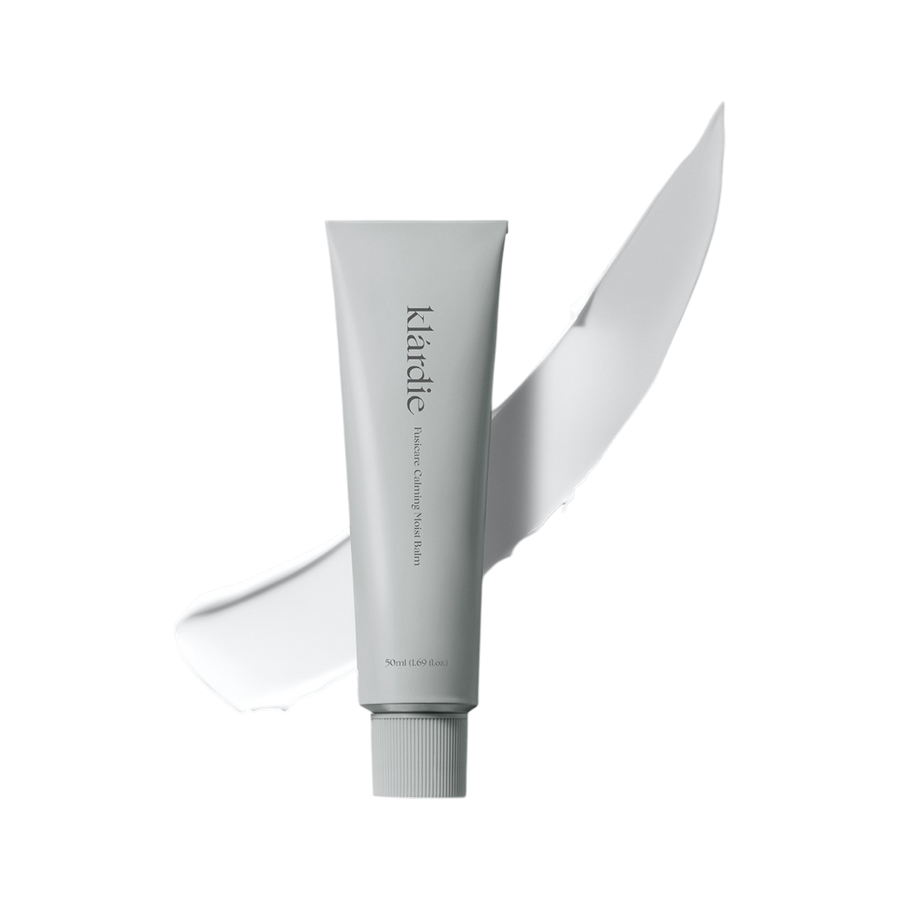
Barrier-support moisturiser for selected post-procedure facial skincare plans.
View product →
Daily mineral SPF support for exposed skin after recovery.
View product →NOT SURE WHICH REGENERATIVE ROUTE FITS?
The useful question is what the concern needs, not which acronym sounds newer.
06 · CHOOSING THE MECHANISM
The preparation should match the indication. It should not replace diagnosis or be added to another procedure without a clear reason.
07 · CLINICAL EVIDENCE
For facial rejuvenation, a 2025 systematic review of 20 studies involving 514 patients found the strongest signals for improvement in skin thickness and elasticity, while findings for wrinkles, texture, dyschromia and hydration were more mixed. A 2024 umbrella review of 13 systematic reviews concluded that the underlying PRP evidence was too weak and inconsistent for firm conclusions. The evidence base is larger for PRP in alopecia, including a 2025 review of 43 randomised controlled trials involving 1,877 participants, although protocols still varied substantially. Injectable PRF has a smaller evidence base, with a 2024 review identifying seven studies and 130 patients across alopecia and facial rejuvenation. This is encouraging evidence, but it does not justify treating PRP and PRF as interchangeable or universally effective.
08 · LONGER-TERM PLANNING
Some patients may have several sessions followed by review. Others may need medical hair-loss treatment, a different skin mechanism, another procedure or no regenerative treatment at all.
09 · FAQs
Both are autologous platelet concentrates prepared from your own blood, but their processing and final composition differ. PRP is a platelet-rich plasma preparation. PRF incorporates a fibrin-rich matrix and may retain different cellular components depending on the protocol.
Not automatically. The evidence does not support treating PRF as universally superior for every aesthetic or hair indication. The better choice depends on the clinical goal, preparation method and available evidence for that use.
PRP has a comparatively larger evidence base for androgenetic alopecia and has shown improvements in hair density in multiple trials. Hair loss still needs diagnosis first because platelet treatment cannot correct every cause of shedding or thinning. PRF data are promising but less mature.
They may be considered for selected periorbital skin-quality concerns, but dark circles, hollowness, fluid retention and thin skin have different causes. Published facial-rejuvenation evidence is mixed and preparation protocols vary substantially, so under-eye treatment should follow anatomy and diagnosis rather than a blanket PRP or PRF protocol.
Combination treatment can be appropriate in selected plans. It should be used because the mechanisms complement the clinical goal, not simply because adding another treatment sounds more advanced.
There is no universal course. Published protocols often use multiple sessions, particularly for hair loss, but the number and spacing depend on diagnosis, preparation, treatment area and response.
Redness, tenderness, swelling and bruising can occur. Under-eye treatment can swell more noticeably, while scalp treatment may feel tender or tight. Recovery varies by area and technique.
Yes. Autologous material reduces concerns such as allergy to the injected material, but blood draw, injection and tissue handling still carry risks including bruising, swelling, infection and other procedure-specific complications.
Face for Soul is based in Burford, Oxfordshire, welcoming patients from West Oxfordshire and across the Cotswolds. Treatment follows consultation and suitability assessment.