
PIGMENTATION · BURFORD, OXFORDSHIRE
Pigmentation is not one diagnosis.
Brown marks, uneven tone, melasma-like patches, post-inflammatory marks and sun-related pigmentation can look similar. They do not always behave in the same way, so the first step is understanding the pattern before deciding what to treat.

START WITH THE PATTERN
Not all pigmentation is the same.
Pigmentation is a description of colour change, not a single condition. A brown patch can reflect different processes in the skin, and those differences matter because an approach that suits one type of pigmentation may irritate or worsen another.
At Face for Soul, Vaiva looks at the pattern, history, skin behaviour and likely triggers before discussing treatment. If a lesion or change needs medical review rather than aesthetic treatment, referral or further assessment is the appropriate next step.
COMMON PATTERNS
What can facial pigmentation look like?
These descriptions are educational, not a way to self-diagnose. More than one pattern can be present at the same time.
Melasma
Usually appears as patchy, often symmetrical brown or grey-brown pigmentation, commonly across the cheeks, forehead or upper lip. Hormonal influences, ultraviolet exposure and visible light can contribute, and recurrence is common.
Post-inflammatory pigmentation
Dark marks can remain after acne, irritation, injury or another inflammatory skin episode. Ongoing inflammation may be subtle, so treating the trigger and protecting the skin barrier can be as important as treating the pigment itself.
Sun-related pigmentation
Freckles, solar lentigines and uneven photo-pigmentation tend to develop on areas that receive repeated light exposure. They may look quite different from melasma and can require a different treatment strategy.
Mixed or unclear pigmentation
Many people do not fit neatly into one category. Sun exposure, inflammation, hormones, skin type and previous treatment can overlap, which is why assessment comes before a procedure.
VAIVA'S ASSESSMENT
Assessment is where the treatment decision is made.
Pigmentation may be the visible concern, but the consultation looks at the pattern in context - skin behaviour, relevant history, previous treatment and, where useful, the wider facial anatomy and movement.
BURFORD · CONSULTATION-LED
Where the pigmentation sits, whether it is symmetrical, patchy, localised or linked to a previous inflammatory event.
How easily the skin inflames, marks or develops post-inflammatory pigmentation after irritation.
Sun exposure, visible light, heat and lifestyle patterns that may influence the pigmentation.
Pregnancy history, hormonal change, medication, health history and other relevant factors where appropriate.
What has already been tried, how the skin responded and whether previous procedures or active skincare caused irritation or rebound pigment.
Whether inflammation or a compromised barrier needs to settle before stronger pigment-focused treatment is introduced.
Skincare / prepare / procedure / referral / wait / no treatment
FULL FACE MYOFASCIAL METHOD
The face is considered as a whole.
Vaiva's Full Face Myofascial Method looks beyond isolated features. Where relevant, facial structure, movement patterns and myofascial tension are considered alongside skin quality, helping the plan sit within the way the face functions as a whole.
ANATOMY-LED AESTHETICS
Treatment follows your anatomy.
Anatomy-led aesthetics means treatment follows your own tissue, proportions, movement and skin behaviour. A pigmentation concern may be managed primarily through skin care, but it is still considered within the wider face rather than as an isolated patch.
RESULTS & PATIENT EXPERIENCES
Real outcomes need context.
Before and after images can show visible change, while the patient experience explains the plan behind it. Individual results vary according to the type of pigmentation, skin behaviour, home care and treatment strategy.
FACE FOR SOUL PATIENT
Client result & experience
Vaiva's before and after photography, treatment pathway and genuine patient feedback will be added here with consent.
FACE FOR SOUL PATIENT
Client result & experience
Vaiva's before and after photography, treatment pathway and genuine patient feedback will be added here with consent.
FACE FOR SOUL PATIENT
Client result & experience
Vaiva's before and after photography, treatment pathway and genuine patient feedback will be added here with consent.
Images and patient feedback are shared only with consent. Individual outcomes cannot be guaranteed and a suitable plan can only be recommended after assessment.
A LONG-TERM STRATEGY
How pigmentation is approached at Face for Soul.
The goal is not to strip the skin. It is to identify what may be driving the colour change, reduce avoidable triggers and use the least aggressive plan that makes clinical sense.
Protect
Consistent broad-spectrum photoprotection is foundational. In melasma and some forms of post-inflammatory pigmentation, visible light can also matter, so the type of sunscreen and how consistently it is used may form part of the plan.
Stabilise
If the skin is irritated, inflamed or barrier-compromised, calming it first can reduce the risk of creating more pigment through unnecessary inflammation.
Target
Home care can be selected around the likely pigment pathway and skin tolerance. The routine may need to evolve rather than simply adding more active ingredients.
Treat selectively
Selected chemical peels or microneedling may be considered in appropriate cases. Procedures are not automatically the first or best step for every type of pigmentation.
NOT SURE WHERE TO START?
You do not need to diagnose the pigmentation yourself.
A concern is only the starting point. Consultation is where Vaiva considers the pigment pattern, skin behaviour, current routine, treatment history and the wider face before deciding what is appropriate.
What happens at a consultation →EVIDENCE-INFORMED CARE
Evidence supports a measured approach to pigmentation.
Published dermatology evidence and recent expert consensus support a personalised approach to hyperpigmentation. The pattern, skin type, likely depth of pigment and risk of inflammation all influence treatment selection.
Photoprotection is a recurring foundation in the literature. Research on melasma and post-inflammatory pigmentation also supports realistic expectations: improvement is often gradual, recurrence can occur and some procedures can worsen pigmentation when poorly selected or when inflammation is triggered.
Peer-reviewed referencesExplore the published evidence behind this approach
EXPECTATIONS MATTER
Pigmentation is managed over time, not chased in one session.
Pigment may sit at different levels of the skin and can continue to be stimulated by light, hormones or inflammation. The aim is therefore not simply to fade what is visible today, but to understand the pattern, reduce avoidable stimulation and build a plan the skin can tolerate.
There is no universal timeline. The pace of change depends on the type of pigmentation, skin response, triggers, home care and whether procedures are appropriate.
IDENTIFY
Understand the pattern first.
Assessment helps distinguish likely pigment patterns, inflammation and triggers before stronger treatment is introduced.
PREPARE
Create a calmer baseline.
Photoprotection, barrier support and a tolerable home routine may need time to settle the skin before treatment is intensified.
CORRECT
Target what remains.
Active skincare and selected procedures can then be introduced or adjusted according to how the skin responds, rather than following a fixed formula.
MAINTAIN
Protect the progress.
Some pigmentation, particularly melasma, can recur. Maintenance may therefore focus on ongoing protection, trigger control and adapting the plan over time.
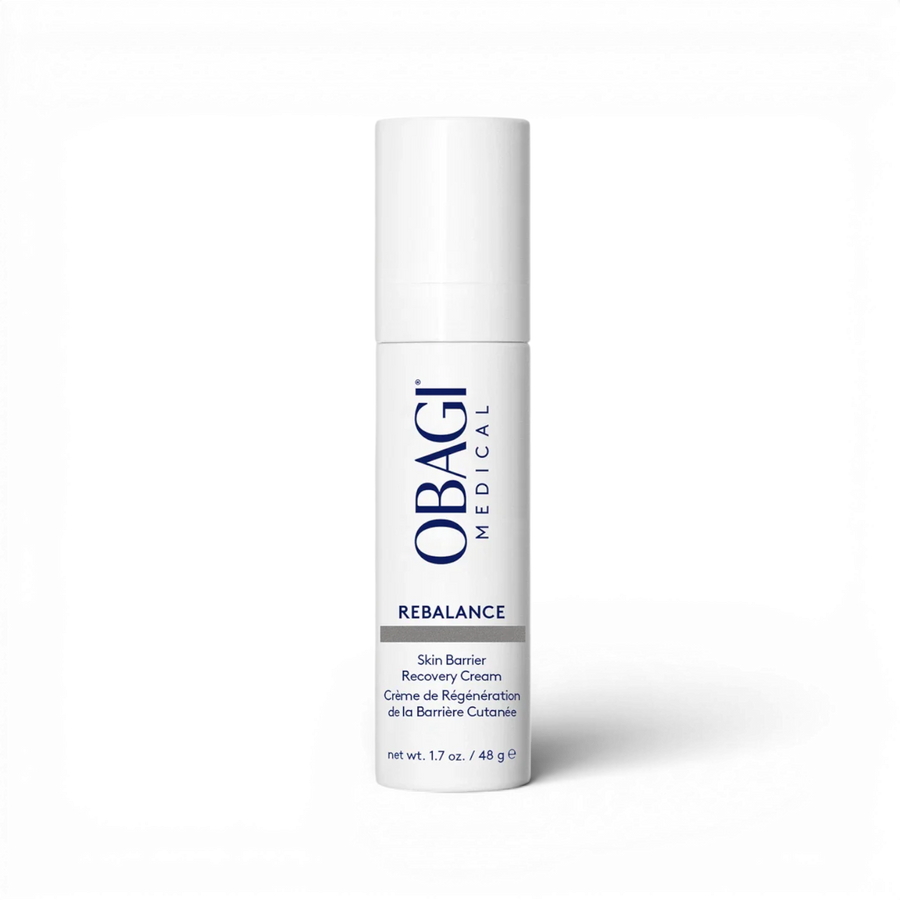
THE SKIN APOTHECARY
Home care can support the clinical plan.
Skincare should match the type of pigmentation and the skin's tolerance. Products are not a substitute for assessment, and a longer routine is not necessarily a better one.
Explore medical skincare →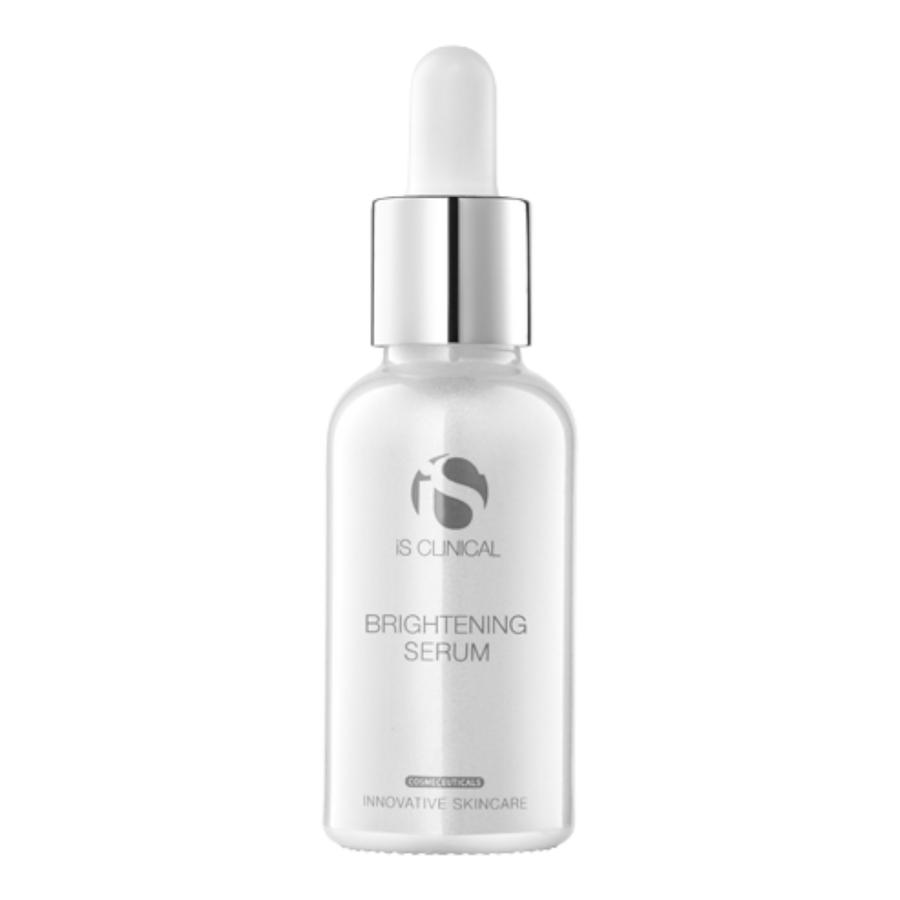

PIGMENTATION FAQ
Questions patients often ask.
What causes facial pigmentation?
Common contributors include ultraviolet and visible-light exposure, inflammation, hormones, genetics, medication and previous skin injury. The pattern matters because these factors can combine in different ways.
Is melasma the same as sun damage?
No. Sun and visible-light exposure can worsen melasma, but melasma is a distinct, often recurrent pattern of pigmentation with multiple contributing factors. Solar lentigines and other sun-related marks behave differently.
What is the best treatment for pigmentation?
There is no single best treatment for every type of pigmentation. The safest plan depends on the likely diagnosis, skin tone, sensitivity, inflammation, depth and previous treatment history.
Can pigmentation come back after treatment?
Yes. Recurrence is particularly common with melasma and can also occur when ongoing triggers such as light exposure or inflammation are not controlled. Maintenance and photoprotection may therefore be part of a long-term plan.
Are chemical peels good for pigmentation?
They can be useful in selected cases, but they are not suitable for every pigmentation pattern or every skin type. Peel choice, strength and timing matter because excessive irritation can contribute to post-inflammatory pigmentation.
Do I need SPF every day?
Consistent broad-spectrum photoprotection is an important part of managing many pigmentation concerns. For some patients, especially those with melasma, protection against visible light may also be discussed.
Can darker skin tones be treated safely?
Yes, but treatment needs to account for a higher risk of post-inflammatory pigmentation in some skin tones. Conservative treatment selection, barrier health and inflammation control are particularly important.
When should a pigmented mark be medically reviewed?
If a mark is new, changing, irregular, symptomatic or otherwise concerning, it should be medically assessed rather than assumed to be a cosmetic pigmentation issue. Face for Soul may recommend referral when appropriate.
YOUR FIRST STEP
Bring the pigmentation concern. We will help with the decision.
You do not need to arrive knowing whether you need skincare, a peel, microneedling or no procedure at all. Start with an assessment at Face for Soul in Burford.