Consult & assess
Concern, skin tone, pigment behaviour, barrier, skincare and treatment history are reviewed first.


CHEMICAL PEELS · BURFORD, OXFORDSHIRE
Controlled resurfacing selected for the skin, concern and tolerance in front of us.
Professional chemical peels use selected resurfacing formulations to create a controlled response in the skin. Peel choice depends on skin tone, barrier condition, sensitivity, current skincare, pigment behaviour, treatment history and downtime tolerance.
At Face for Soul in Burford, a peel is not automatically the right next step simply because the concern is pigmentation, congestion or texture. Assessment comes first.
01 · THE TREATMENT
A professional peel applies a selected chemical formulation to create a planned degree of resurfacing. The formulation, strength, contact time and treatment depth all matter.
Some peels are very superficial and used for gradual skin quality work. Others create a more obvious inflammatory and shedding response. Face for Soul does not treat “chemical peel” as one fixed procedure.
The consultation determines whether a peel fits, what intensity is proportionate and whether skincare or another mechanism should come first.
Skin type, concern, pigment response, barrier and current actives are reviewed.
The selected formulation produces a planned effect in the treated layers.
Depending on depth, the skin may show little visible peeling or a more obvious flaking phase.
Tone, congestion and surface texture are reassessed after recovery, rather than judged by how much skin peeled.
02 · SUITABILITY
Suitability is not simply about whether a peel can be performed. The consultation considers whether chemical resurfacing is useful and proportionate for the concern, the skin in front of us and the individual risk profile.
01A peel may be considered when
02Another route may come first when
VAIVA'S ASSESSMENT
Chemical peeling may be the treatment being considered, but the consultation looks at the concern in context: skin tone, pigment behaviour, barrier function, current actives, previous procedures, healing history and the amount of downtime that is reasonable.
BURFORD · CONSULTATION-LED
What is actually being treated, how long it has been present and what meaningful change would look like.
Skin type, previous post-inflammatory hyperpigmentation and how the skin responds to inflammation guide peel selection and treatment depth.
Dermatitis, sensitivity, active inflammation or an unstable barrier can change timing or make skincare the more appropriate first step.
Retinoids, exfoliating acids, prescription products and recent changes in routine are reviewed before a peel is selected.
Medication, health history, recent procedures, previous peels and healing response are considered before treatment.
The consultation considers whether controlled chemical resurfacing is the right mechanism and whether expected recovery is proportionate to the goal.
Skincare first / chemical peel / course / combination plan / another mechanism / wait / no treatment
CLINICAL RESTRAINT
03 · THE APPOINTMENT
Peel selection and treatment intensity are based on the skin, indication and formulation. There is no single protocol for every patient.
Concern, skin tone, pigment behaviour, barrier, skincare and treatment history are reviewed first.
The skin is cleansed and formulation-specific preparation is carried out. Sensitive areas may be protected where appropriate.
Treatment is performed according to the chosen formulation and protocol, with the skin observed throughout.
The peel is neutralised or removed if the formulation requires it, then immediate post-treatment care is applied.
The next step depends on recovery and the treatment objective. That may mean skincare, another peel, a course, a different mechanism or no further treatment.
04 · RESULTS & RECOVERY
Warmth, tingling, transient redness or tightness can occur depending on the peel.
Skin may feel dry, sensitive or tight. Some formulations create visible surface change before shedding.
Flaking or peeling may occur, but the amount of visible shedding varies.
Tone, congestion and surface texture are reassessed once the skin has recovered.
PLANNING
There is no universal course. Some superficial peels are used as a series, while others may be used less frequently. The plan depends on concern, formulation, response and what else is being used at home or in clinic.
That depends on the concern being treated and what continues to drive it. Sun exposure, acne activity, pigmentation triggers and ongoing skincare all influence how results are maintained.
UNDERSTANDING RISK
Temporary stinging, redness, dryness, tightness, flaking and irritation are recognised possibilities. More significant risks can include prolonged inflammation, pigmentary change, infection, delayed healing and scarring. Risk varies with formulation, treatment depth, skin type, preparation and aftercare.
05 · BEFORE & AFTERCARE
Aftercare depends on peel depth and skin response. The priority is to keep the routine simple, avoid additional irritation and protect recovering skin from ultraviolet exposure.
Tell Vaiva about retinoids, exfoliating acids, prescription skincare, medication and recent procedures. Follow any formulation-specific pause instructions given in consultation.
Use gentle, barrier-conscious care. Do not pick, peel or scrub shedding skin, and avoid strong actives until advised to restart them.
Use broad-spectrum SPF daily, minimise unnecessary UV exposure during recovery and reintroduce active skincare gradually according to the plan.
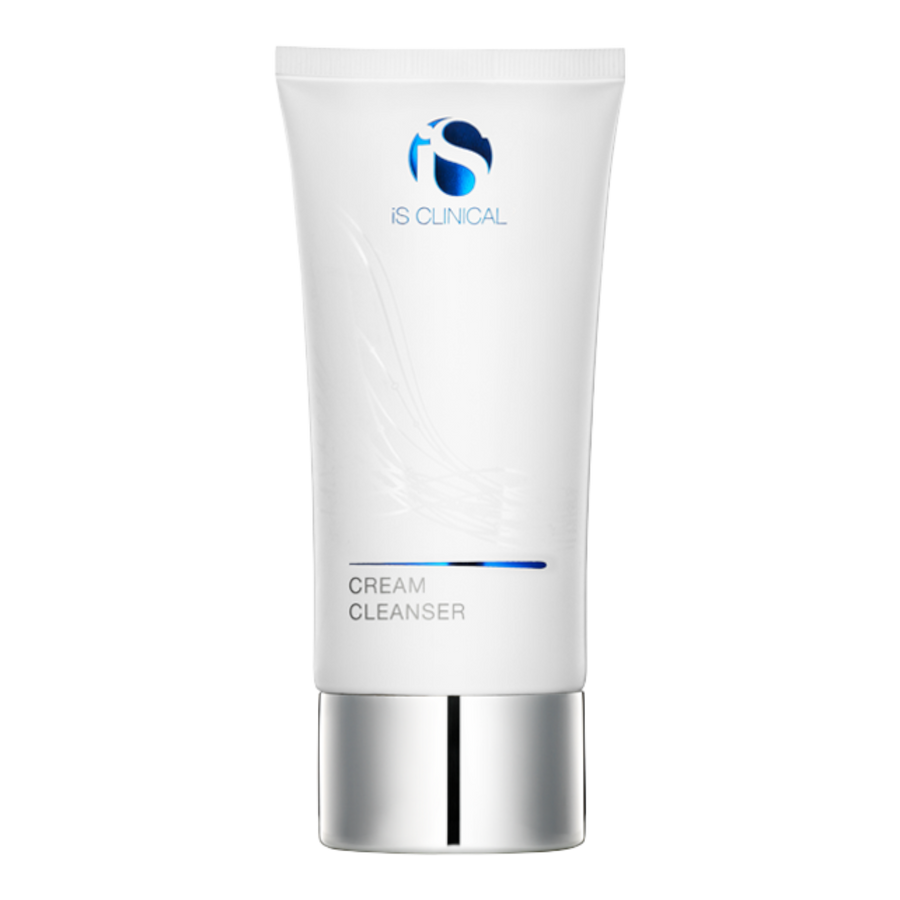
GENTLE CLEANSE
A gentle cleansing option that may fit a simplified pre- or post-peel routine.
£48.00
View product →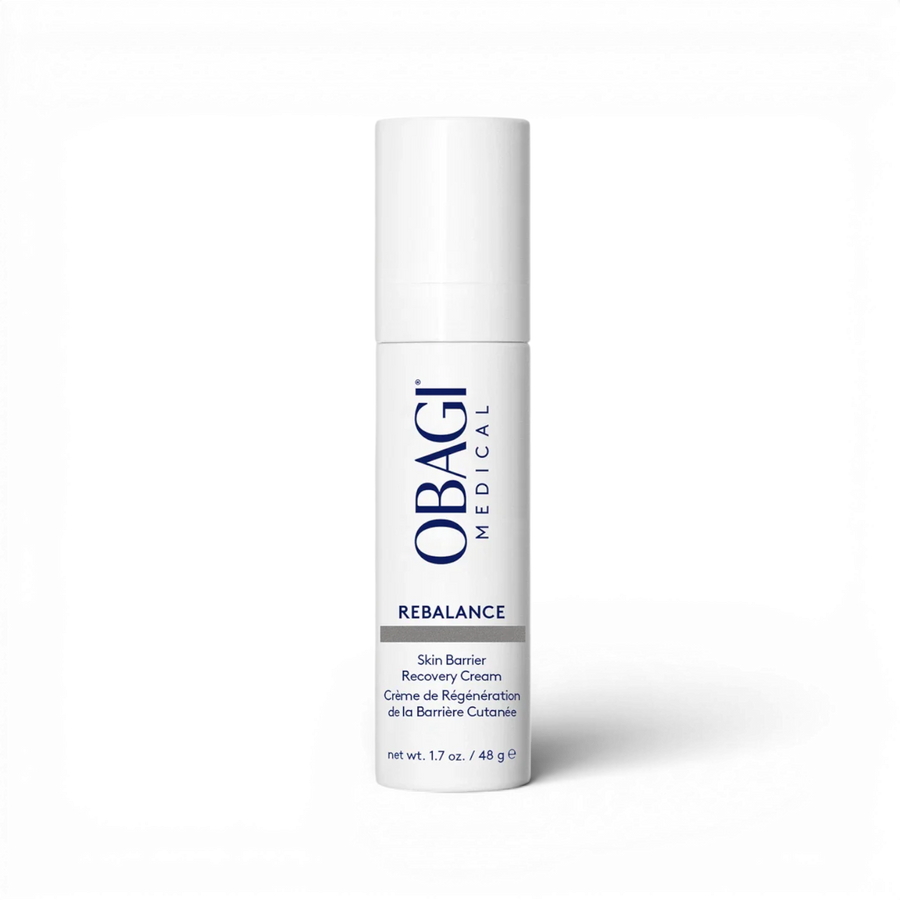
BARRIER SUPPORT
May be considered where recovery calls for additional barrier support.
£100.00
View product →
DAILY PROTECTION
Photoprotection remains important during recovery and longer-term pigment management.
£75.00
View product →NOT SURE WHICH PEEL OR WHETHER A PEEL FITS?
The consultation is designed to answer that before treatment is chosen.
06 · CHOOSING THE MECHANISM
The consultation considers which mechanism best matches the concern, skin behaviour and acceptable recovery.
07 · CLINICAL EVIDENCE
Chemical peels are established dermatologic procedures, but outcomes depend heavily on the peeling agent, depth, indication and patient selection. Published evidence supports selected uses in acne, dyschromia and photoageing, while study protocols and outcome measures vary. Temporary irritation and peeling are common, and pigmentary change, prolonged erythema, infection and scarring are recognised complications.
08 · LONGER-TERM SKIN PLANNING
Some patients may use selected superficial peels as one part of a longer-term skin plan alongside appropriately chosen home care. The sequence should reflect the concern and how the skin is responding, rather than a fixed calendar.
09 · COMMON QUESTIONS
Depending on formulation and individual suitability, chemical peels may be considered for selected pigmentation, congestion, uneven surface texture, dullness and some early photoageing concerns.
Not necessarily. Some superficial peels cause little visible shedding, while others create more obvious flaking. The amount of peeling is not a reliable measure of treatment quality or effectiveness.
Selected pigmentation concerns may respond to chemical resurfacing, but pigmentation needs context. Skin tone, the type of pigmentation, triggers and previous post-inflammatory hyperpigmentation all influence whether a peel is appropriate.
Selected peels may be considered for congestion or acne-prone skin, particularly where comedonal lesions are part of the concern. Active inflammatory disease or a compromised barrier may change the plan.
Downtime varies with the formulation, treatment depth and individual response. It may range from little visible change to temporary redness, tightness, dryness, flaking or more obvious peeling.
There is no universal number. Some superficial protocols may be planned as a series, while other peels are used less frequently. The plan is adjusted according to the indication, response and wider skincare programme.
Selected chemical peels can be considered for darker skin tones, but pigment behaviour and post-inflammatory hyperpigmentation risk need careful assessment. Formulation and depth should be selected conservatively for the individual skin.
Retinoids and other strong actives may need to be paused around some peel protocols. Do not stop prescribed medication without advice. Follow the specific preparation and restart instructions given by the clinic.
They work differently. A chemical peel uses controlled chemical resurfacing, while standard microneedling creates controlled mechanical micro-injury. The more relevant mechanism depends on the concern and skin assessment.
No. Home exfoliating products can have a place in maintenance or preparation, but they are not equivalent to a professionally selected peel and do not replace clinical assessment.
Aftercare is usually simplified around gentle cleansing, barrier support and broad-spectrum SPF. Avoid picking or adding extra exfoliation while the skin is recovering, and follow the clinic's instructions for reintroducing active products.
Face for Soul is based in Burford, Oxfordshire, serving patients from West Oxfordshire and the wider Cotswolds. Chemical peels are considered following consultation and individual assessment.