
MENOPAUSAL SKIN · BURFORD, OXFORDSHIRE
Menopause changes the skin. It does not create one treatment plan.
During perimenopause and menopause, hormonal change can influence dryness, sensitivity, collagen, elasticity and the way the face holds support. The pattern differs from person to person, so treatment should follow what is actually changing.

START WITH WHAT HAS CHANGED
The skin may behave differently even when your routine has not changed.
Perimenopause and menopause can coincide with changes in moisture, barrier tolerance, collagen and tissue quality. Skin may feel drier, thinner, more reactive or less firm, while texture, pigmentation, flushing and facial support can change at the same time.
These changes do not happen in isolation from normal ageing, sun exposure, health, medication or previous treatment. At Face for Soul, Vaiva looks at the dominant pattern rather than assuming every change needs an anti-ageing procedure. Medical symptoms or menopause management itself sit outside an aesthetic consultation and may be better discussed with your GP or menopause clinician.
COMMON PATTERNS
What can menopausal skin change look and feel like?
Several changes can overlap. The purpose of consultation is to work out which features are most relevant to you rather than placing every patient into the same menopause treatment package.
Dryness & reduced resilience
Skin may hold less moisture and feel less comfortable, supple or robust than it did previously.
Sensitivity & reactivity
Products that were once easy to tolerate may begin to sting, irritate or leave the skin feeling tight and unsettled.
Fine lines, crepiness & texture
Changes in collagen, hydration and skin thickness can make fine lines, uneven texture and crepiness more noticeable.
Laxity, support & volume change
Skin quality can change alongside shifts in facial support, fat distribution and tissue position. These are related concerns, but they are not the same problem.
VAIVA'S ASSESSMENT
The treatment decision starts with the dominant change.
Menopause can affect the skin at the same time as ordinary ageing, sun exposure and structural facial change. The consultation separates these factors before discussing products or procedures.
BURFORD · CONSULTATION-LED
What has changed, when it began and whether the skin shift coincided with perimenopause, menopause or another life-stage change.
Comfort, hydration, reactivity, cleansing, active ingredients and the skin's current tolerance.
Fine lines, crepiness, firmness and changes in the way the skin feels and reflects light.
Colour change, flushing, visible sun damage and cumulative light exposure that may sit alongside hormonal change.
Whether the concern is primarily skin quality or also involves deeper structural and soft-tissue change.
Relevant medical history, medication, previous aesthetic treatment and anything that changes what is appropriate to recommend.
Skincare / regenerate / collagen support / structural support / referral / wait / no treatment
SKIN-FIRST MEDICAL AESTHETICS
Tolerance comes before intensity.
If the skin is dry, reactive or barrier-compromised, adding stronger actives or procedures can be the wrong first move. A calmer baseline may need to come before correction.
WHOLE-FACE ASSESSMENT
Skin quality and facial support are assessed separately.
Menopause can coincide with changes in both the skin and the wider face. Vaiva considers tissue quality, support, proportion and movement so that a skin concern is not automatically turned into a filler or device plan.
RESULTS & PATIENT EXPERIENCES
Real outcomes need context.
Menopausal skin is not one treatment category. Genuine cases are most useful when the starting concern, treatment plan and timeframe are clear.
FACE FOR SOUL PATIENT
Client result & experience
Genuine before-and-after photography, treatment pathway and patient feedback can be added here with consent.
FACE FOR SOUL PATIENT
Client result & experience
Genuine before-and-after photography, treatment pathway and patient feedback can be added here with consent.
FACE FOR SOUL PATIENT
Client result & experience
Genuine before-and-after photography, treatment pathway and patient feedback can be added here with consent.
Images and patient feedback are shared only with consent. Individual outcomes cannot be guaranteed and a suitable plan can only be recommended after assessment.
A LIFE-STAGE STRATEGY
How menopausal skin may be approached at Face for Soul.
The plan is built around the dominant concern and the skin's tolerance. Not every patient needs a procedure and not every age-related change should be corrected.
Restore the baseline
Review cleansing, hydration, barrier support and daily sun protection. A simple, tolerable medical skincare plan may be the first step.
Improve skin quality
Where texture, hydration or collagen quality is dominant, selected options such as microneedling, Profhilo or polynucleotides may be discussed if appropriate.
Support collagen selectively
For suitable patients, collagen-focused approaches such as Morpheus8, Sculptra or Radiesse may be considered. They are not automatic menopause treatments.
Rebalance only where needed
Deeper structural support may be discussed when anatomy, not just skin quality, is driving the concern. Waiting, referral or no treatment can also be the right recommendation.
NOT SURE WHERE TO START?
You do not need to choose between skincare, regenerative treatment or structural treatment before booking.
Bring what has changed. Consultation is where Vaiva separates dryness, sensitivity, texture, collagen change, laxity and facial support before discussing a plan.
What happens at a consultation →EVIDENCE-INFORMED CARE
Menopause affects more than surface hydration.
Published reviews describe an association between declining oestrogen and changes in dermal collagen, elasticity, skin thickness and moisture. These changes can contribute to dryness, fine wrinkling and reduced resilience, but the degree and timing vary widely between individuals.
Chronological ageing, ultraviolet exposure, health and lifestyle still matter. Hormone replacement therapy and wider menopause management are medical decisions outside an aesthetic skin consultation and should be discussed with an appropriate medical clinician.
Peer-reviewed referencesExplore the published evidence behind this approach
EXPECTATIONS MATTER
The aim is stronger, better-supported skin, not chasing every age-related change.
Menopause is a life stage, not a defect to correct. A useful plan focuses on the changes that are genuinely bothering you and on interventions that the skin and face can support safely.
The sequence depends on barrier health, skin quality, anatomy, previous treatment and whether medical assessment is needed.
IDENTIFY
Separate the dominant changes.
Work out whether the main issue is dryness, sensitivity, texture, collagen, laxity, volume or a mixture.
STABILISE
Create a more resilient baseline.
Support the barrier, simplify irritation and establish consistent daily care before adding intensity.
TREAT SELECTIVELY
Match treatment to the problem.
Introduce procedures only where the objective, anatomy and skin tolerance make sense.
MAINTAIN & REASSESS
Let the plan evolve.
Skin and facial support continue to change. Maintenance should adapt rather than becoming a fixed package.
THE SKIN APOTHECARY
Support the barrier before turning the routine into a project.
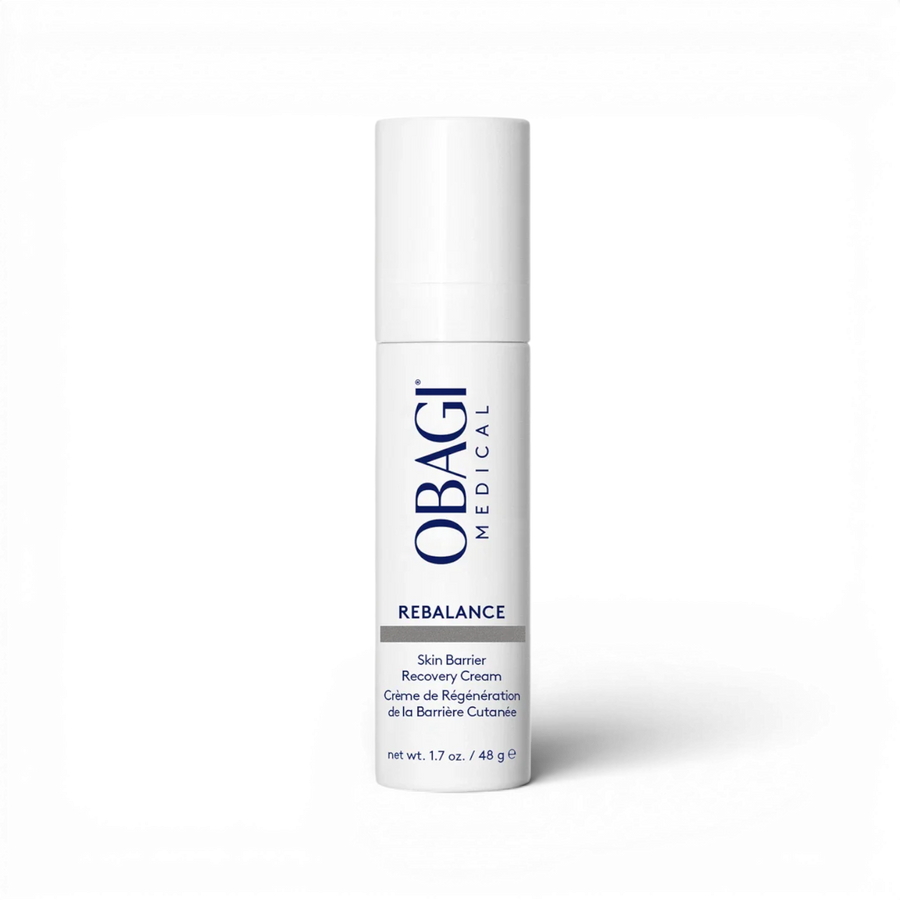
A menopausal skin routine does not need to be long. Gentle cleansing, barrier support and consistent photoprotection may form the foundation, with additional products chosen around the skin's tolerance.
Explore medical skincare →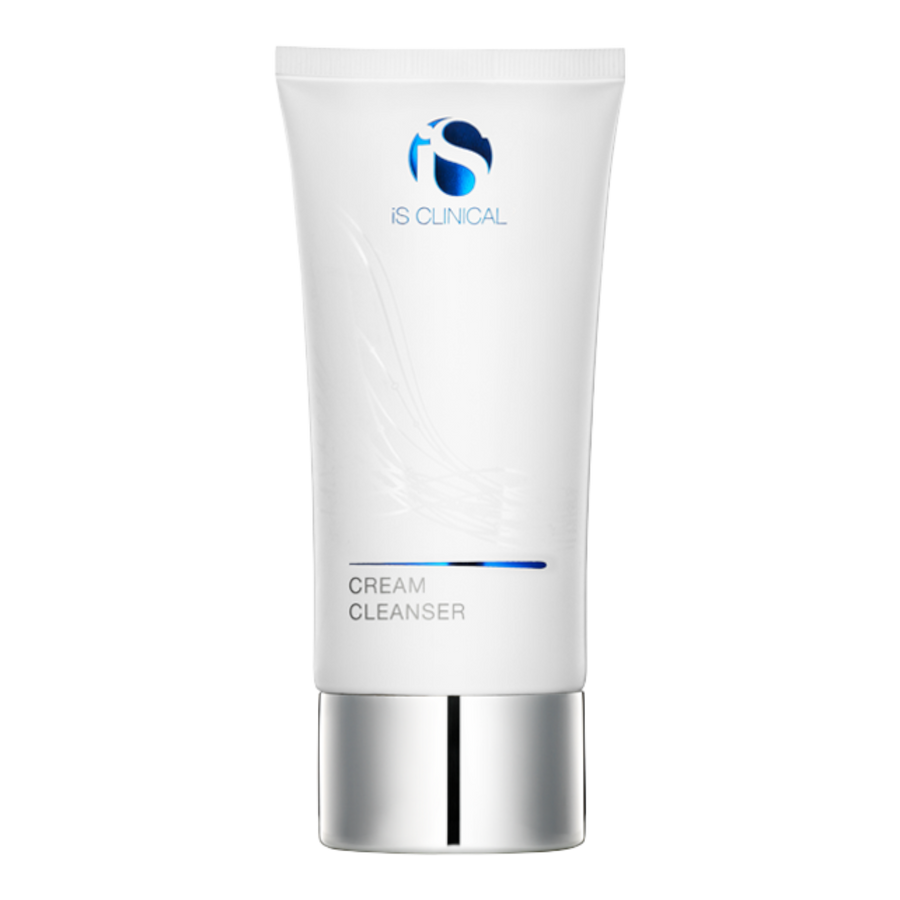

MENOPAUSAL SKIN FAQ
Questions patients often ask.
Why has my skin become drier during menopause?
Hormonal change can affect skin moisture, barrier function and dermal structure. Dryness can also be influenced by climate, cleansing, active ingredients, medication and normal ageing, so the routine should be reviewed in context.
Why is my usual skincare suddenly irritating?
Skin tolerance can change. A routine that previously felt comfortable may become too active or stripping, particularly if dryness and barrier disruption have increased.
Does menopause cause collagen loss?
Published research associates declining oestrogen with changes in dermal collagen, elasticity and skin thickness. The amount of visible change varies widely and is also influenced by age, sun exposure and individual biology.
Do I need more filler as I age?
Not automatically. Volume is only one part of facial ageing. Skin quality, bone support, fat distribution, laxity and movement all matter, and sometimes adding volume is not the most appropriate answer.
Can menopausal skin improve with skincare alone?
For some concerns, a well-chosen routine can make a meaningful difference to comfort, hydration, barrier function and the appearance of the skin. Other concerns may involve collagen or structural change that skincare cannot fully address.
Which treatments are suitable for menopausal skin?
There is no single menopause treatment. Options may include medical skincare, regenerative or collagen-supporting treatments, devices or structural support, depending on the dominant concern and suitability after assessment.
Is HRT a skin treatment?
Hormone replacement therapy is a medical treatment for menopausal symptoms and should be discussed with your GP or menopause clinician. It is not prescribed by Face for Soul as a cosmetic skin treatment.
When should I seek medical advice rather than aesthetic treatment?
New, severe or unexplained symptoms, significant rashes, persistent inflammation or wider menopausal concerns should be medically assessed. An aesthetic consultation should not replace appropriate medical care.
YOUR FIRST STEP
Bring what has changed. We will help work out what matters.
You do not need to arrive knowing whether you need skincare, a regenerative treatment, collagen support or no procedure at all. Start with an assessment at Face for Soul in Burford.