Consult & assess
The concern, skin type, tissue thickness, medical history, previous procedures and recovery tolerance are reviewed.

MORPHEUS8 · BURFORD, OXFORDSHIRE
Radiofrequency microneedling for selected skin-remodelling, texture and firmness concerns.
Morpheus8 combines microneedle penetration with bipolar radiofrequency energy. The needles create controlled micro-injury while RF energy is delivered into selected tissue depths. At Face for Soul, settings are chosen around skin thickness, anatomy, indication and risk rather than using maximum depth or energy by default.

01 · THE TREATMENT
Morpheus8 is not simply a stronger version of standard microneedling.
The device uses needles to penetrate tissue and deliver bipolar radiofrequency energy at programmed depths. This creates both mechanical micro-injury and controlled thermal coagulation, with the aim of stimulating remodelling over time.
The addition of RF changes the mechanism, risk profile and treatment planning. Treatment depth, energy, pulse pattern, tissue thickness and facial anatomy all matter. More aggressive settings do not automatically produce a better result.
Microneedles reach a selected tissue depth according to the area and clinical objective.
Bipolar radiofrequency energy is delivered through the needle array to create controlled thermal zones.
Mechanical and thermal injury trigger a wound-healing response involving collagen and tissue remodelling.
Texture and firmness changes develop progressively rather than appearing as an instant correction.
MORPHEUS8 MAY BE DISCUSSED WHEN YOU NOTICE
02 · SUITABILITY
The same device can be used at different depths and energy levels. Suitability depends on what is driving the concern, tissue thickness, pigment history, previous procedures and the amount of thermal injury that is proportionate.
01 MAY BE CONSIDERED
02 ANOTHER ROUTE MAY FIT BETTER
VAIVA'S ASSESSMENT
Assessment determines whether the concern needs standard microneedling, RF microneedling, non-invasive RF, another treatment or no energy-based treatment at all.
Burford · West Oxfordshire · Cotswolds
Texture, scar type, laxity and photoageing are separated from structural volume change.
Depth and energy must be proportionate to the tissue being treated rather than copied across every area.
Skin type and previous post-inflammatory pigmentation are considered when planning thermal treatment.
Previous scarring, delayed healing, recent procedures and skin-barrier stability can change timing or suitability.
Fillers, biostimulators, surgery and previous energy devices are considered before deciding depth or timing.
Standard microneedling, Forma, injectables, skincare or waiting may be more proportionate.
Morpheus8 / microneedling / Forma / injectable treatment / skincare / wait / no treatment
CLINICAL RESTRAINT
03 · APPOINTMENT
Depth, energy and treatment passes are selected according to anatomy, indication and skin response.
The concern, skin type, tissue thickness, medical history, previous procedures and recovery tolerance are reviewed.
The area is cleansed and topical anaesthetic may be used according to the treatment plan.
Parameters are selected for the tissue and indication rather than using maximum settings as a default.
Microneedles enter the tissue and bipolar RF energy is delivered in controlled pulses.
Aftercare is kept simple while redness, swelling and sensitivity settle. Further treatment depends on response.
04 · RESULTS & RECOVERY
Redness, swelling, warmth and tenderness are common immediately after treatment.
Redness and swelling usually reduce. Pinpoint crusting, dryness or sensitivity can occur depending on settings.
Changes in texture or firmness develop gradually as the tissue-remodelling response continues.
The next step depends on indication, settings, recovery and whether additional treatment is proportionate.
Published RFMN studies most consistently assess acne scarring, texture, wrinkles and laxity. Outcomes vary with device, depth, energy, treatment area and study design, so results should not be presented as universal.
There is no single course for every indication. Published protocols often use multiple sessions, but number and spacing should follow the treatment goal and skin response.
Redness, swelling and pain are common short-term effects. Pigmentary change, burns, scarring, infection, textural change and unwanted fat loss have also been reported with radiofrequency microneedling devices. Careful patient selection and conservative depth and energy settings are important.
05 · BEFORE & AFTERCARE
Aftercare should be simple, low-irritant and matched to the intensity of treatment. Active products are reintroduced according to healing rather than a fixed timetable.
Tell the clinic about active skin disease, medicines, recent procedures, pigment changes, healing problems and current skincare.
Avoid unnecessary heat, friction, picking and irritating actives while redness and sensitivity settle.
Use the recovery products advised by the clinic and maintain appropriate daily photoprotection.
SKIN APOTHECARY
Products are shown only when available online. Post-procedure skincare is selected around barrier recovery and tolerance.
Explore medical skincare →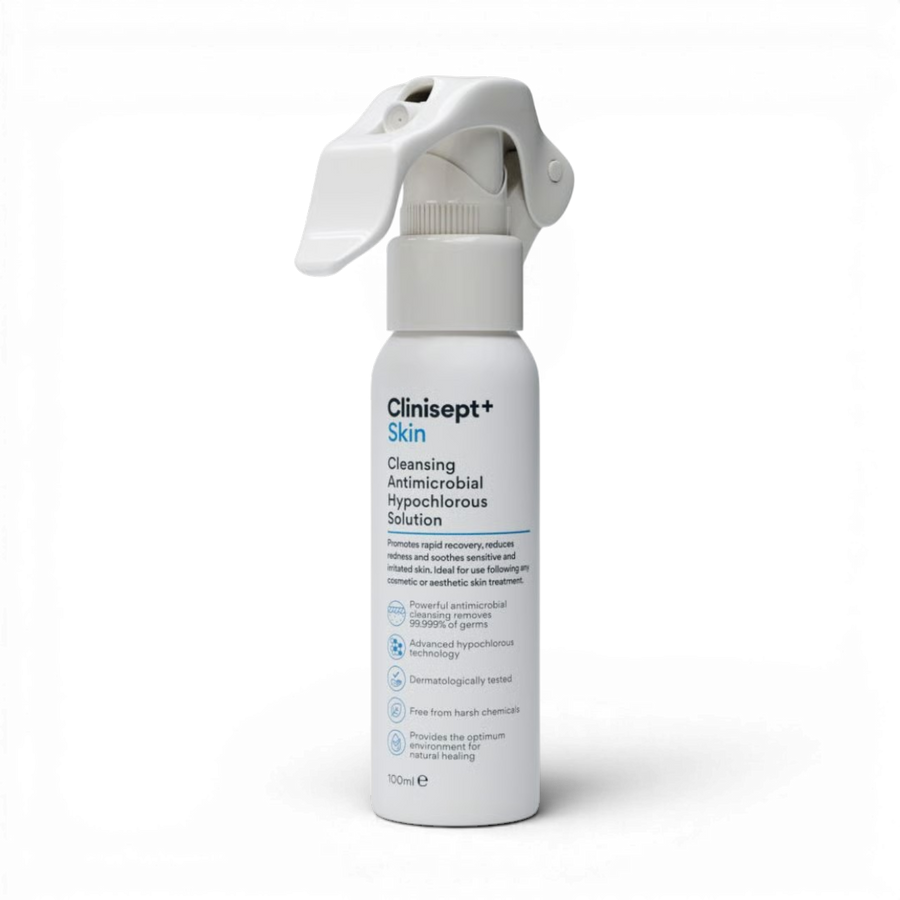
A hypochlorous aftercare option that may be used where suitable during early recovery.
View product →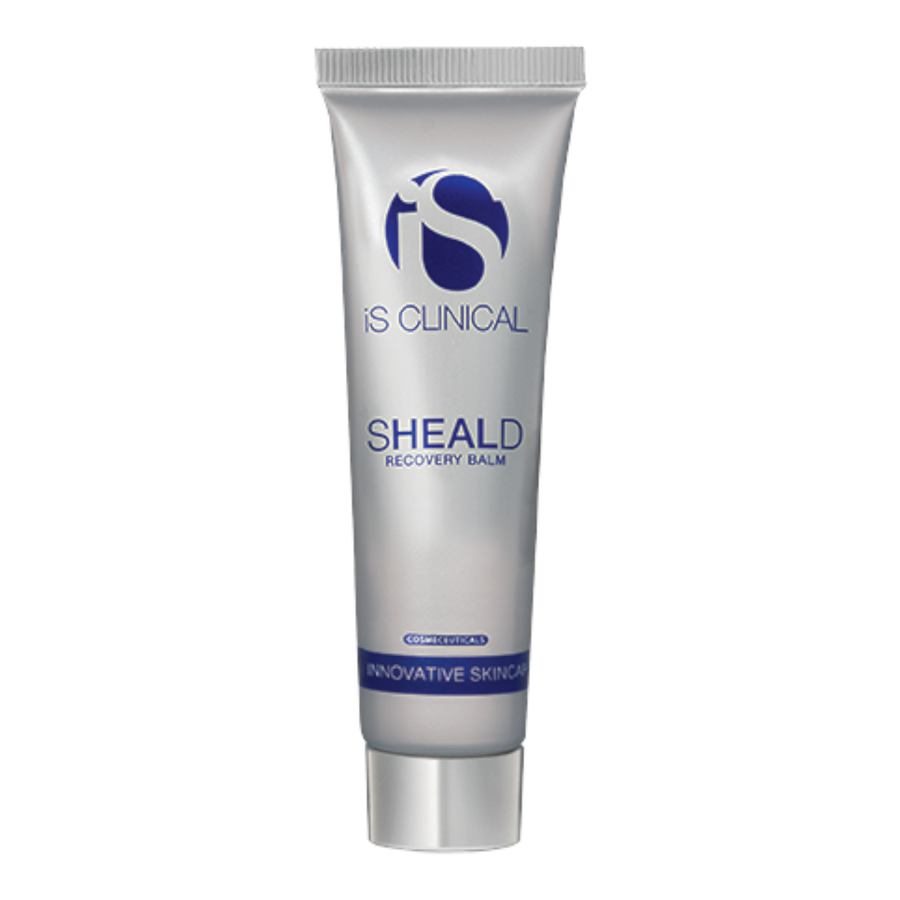
Barrier support for selected patients where recovery calls for additional protection.
View product →
Daily mineral SPF support once appropriate for the recovering skin.
View product →NOT SURE WHETHER YOU NEED RF MICRONEEDLING?
Standard microneedling, Morpheus8 and Forma use different mechanisms and treatment intensities.
06 · CHOOSING THE MECHANISM
The right option depends on whether the problem is primarily scar architecture, texture, laxity, tissue support or skin quality.
07 · CLINICAL EVIDENCE
The evidence below relates primarily to radiofrequency microneedling as a treatment category rather than to Morpheus8 alone. Devices, needle configurations, treatment depths, pulse characteristics and energy settings vary between studies. A 2026 systematic review included 22 studies, with its main synthesis covering 20 studies and 558 participants, and reported improvements in texture and tightening with predominantly mild, transient adverse effects. A 2025 systematic review of fractional RF microneedling for acne scars included 16 studies and 481 patients and concluded that it is likely effective as monotherapy, while calling for further randomised trials to define treatment parameters. A broader 2026 systematic review included 41 studies across dermatological indications and highlighted inconsistent reporting of technical settings such as temperature, pulse width and cooling. Post-marketing safety reports have also described lasting complications including textural change, pigment alteration, fat loss and burns, but spontaneous reporting data cannot establish how frequently these complications occur. The practical message is that RF microneedling is not one uniform procedure: device, depth, energy and anatomy matter.
08 · LONGER-TERM PLANNING
Some patients may benefit from a planned course. Others may need standard microneedling, skincare, a different mechanism or no further energy-based treatment.
09 · FAQs
Morpheus8 is an InMode radiofrequency microneedling platform. It uses microneedles to deliver bipolar RF energy at programmable tissue depths.
Standard microneedling creates controlled mechanical micro-injury without RF energy. Morpheus8 adds controlled thermal energy, which changes both the treatment effect and the risk profile. More intensive does not automatically mean more appropriate.
Fractional RF microneedling has a growing evidence base for selected atrophic acne scars. Scar type still matters, and some scars need another technique or a combination approach.
It may be considered when skin laxity contributes to lower-face change. Jowling can also reflect bone support, fat distribution, ligament changes and volume loss, so RF microneedling is not automatically the correct answer.
RF microneedling can deliver energy into deeper tissue, and unwanted fat loss has been reported in post-marketing safety data. This is one reason depth and energy must be chosen conservatively for the anatomy and indication rather than maximised.
There is no universal number. Published protocols often use multiple sessions, but treatment number and spacing depend on indication, settings and response.
Redness, swelling, warmth and tenderness are common early effects. Pinpoint crusting, dryness and sensitivity can also occur. Recovery varies with treatment depth, energy and area.
Face for Soul is based in Burford, Oxfordshire, welcoming patients from West Oxfordshire and across the Cotswolds. Treatment follows consultation and suitability assessment.