
SKIN LAXITY · BURFORD, OXFORDSHIRE
Loose skin is only one part of facial ageing.
What looks like skin laxity can also involve changes in skin quality, fat compartments, ligaments, muscle, bone support and the way tissue sits on the face. The right plan starts by working out which layer is actually changing.

START WITH THE STRUCTURE
Laxity is not the same as volume loss or heaviness.
Skin laxity means reduced firmness or elasticity in the skin and supporting tissues. It can appear as looseness, softening of contours, creasing or reduced snap-back, but facial ageing may also involve volume loss and tissue descent, which need different decisions.
At Face for Soul, Vaiva assesses skin quality, tissue support, volume distribution and facial anatomy before choosing a pathway. The aim is to understand whether the visible change is mainly in the skin, the supporting tissues, facial volume or a combination of these.
Facial skin laxity is a loss of firmness and elasticity that can make skin or supporting tissue look looser or less defined. It is different from volume loss and lower-face heaviness, although the three can occur together.
COMMON PATTERNS
What can skin laxity look like?
The visible change does not always come from one layer. These patterns help explain what Vaiva assesses rather than providing a way to self-diagnose.
Early loss of firmness
The skin may feel less springy, sit differently when the face moves or show a softer jawline without significant volume loss or jowling.
Crepey or thinner skin with laxity
Fine crinkling, reduced thickness and poorer skin quality can sit alongside looseness. This overlaps with crepey skin, but the assessment also considers how well the tissue is supported.
Lower-face softness
Reduced definition around the jawline may look like laxity but can also reflect tissue descent or heaviness. That is why lower-face heaviness and jowling is considered separately.
Mixed structural ageing
Skin laxity, reduced facial volume and tissue descent often overlap. Treating one component without understanding the others can produce an unbalanced result.
VAIVA'S ASSESSMENT
Assessment identifies which layer needs attention.
Skin laxity is not treated from a photograph alone. Vaiva looks at skin quality, support, facial structure, movement and the degree of tissue change before deciding whether treatment is likely to be useful.
BURFORD · CONSULTATION-LED
Texture, hydration, crepiness, photoageing and whether the skin itself is thin or compromised.
Where firmness has changed, how much tissue movement is present and whether the concern is mild, moderate or more advanced.
Underlying proportions, skeletal support and the relationship between skin, ligaments and deeper tissue.
Whether loss or redistribution of soft-tissue volume is contributing to the appearance of laxity.
How the face moves and where tension or tissue behaviour may affect the way ageing changes are expressed.
Previous procedures, response, acceptable downtime and whether the change being sought is realistic without surgery.
Skincare / collagen support / energy-based treatment / biostimulation / structural support / wait / referral
FULL FACE MYOFASCIAL METHOD
The face is assessed as a moving system.
Vaiva considers facial movement, myofascial tension, tissue distribution and the way different areas work together. This does not mean myofascial tension is the cause of laxity. It means the treatment plan is considered in the context of how the whole face behaves.
ANATOMY-LED AESTHETICS
Treat the layer that is actually changing.
Surface skin quality, collagen support, structural support, tissue descent and volume loss are not interchangeable. Anatomy-led planning helps decide whether treatment should focus on skin, deeper support, both or neither.
RESULTS & PATIENT EXPERIENCES
Real outcomes need context.
Skin tightening and collagen-stimulating treatments can create gradual change, but the amount of improvement depends on anatomy, degree of laxity, treatment choice and time.
FACE FOR SOUL PATIENT
Client result & experience
Vaiva's before and after photography, treatment pathway and genuine patient feedback will be added here with consent.
FACE FOR SOUL PATIENT
Client result & experience
Vaiva's before and after photography, treatment pathway and genuine patient feedback will be added here with consent.
FACE FOR SOUL PATIENT
Client result & experience
Vaiva's before and after photography, treatment pathway and genuine patient feedback will be added here with consent.
Images and patient feedback are shared only with consent. Individual outcomes cannot be guaranteed and a suitable plan can only be recommended after assessment.
A LONG-TERM STRATEGY
How skin laxity is approached at Face for Soul.
The aim is not simply to make the face look tighter. The plan should address the layer that is changing, preserve natural proportions and stay realistic about what non-surgical treatment can achieve.
Strengthen skin quality
Medical skincare, microneedling or selected skin boosters may support skin quality where appropriate. These can improve the surface environment but are not a substitute for structural lifting.
Stimulate collagen
Selected radiofrequency-based treatments such as Morpheus8 or Forma may be considered when collagen stimulation and tissue tightening fit the anatomy, severity and treatment goals.
Support structure selectively
Sculptra, Radiesse or selected dermal filler may have a role when support or volume is part of the problem. Adding volume is not the answer to every laxity concern.
Know the limit
Non-surgical treatment cannot reproduce a surgical lift. If the degree of tissue descent is beyond what aesthetic treatment can reasonably improve, waiting, referral or discussing surgery elsewhere may be the more honest advice.
NOT SURE WHERE TO START?
You do not need to decide whether you need tightening, collagen stimulation or filler.
Consultation is where Vaiva separates skin quality, laxity, volume loss and tissue descent before deciding which layer, if any, should be treated.
What happens at a consultation →EVIDENCE-INFORMED CARE
Non-surgical tightening works best with realistic expectations.
Systematic reviews suggest radiofrequency and radiofrequency microneedling can improve skin firmness, laxity and texture in selected patients, but devices, protocols and study quality vary.
Evidence on biostimulatory injectables also supports improvement in dermal quality and collagen-related changes, while highlighting that outcomes and evidence quality are not uniform. These treatments should be considered as non-surgical adjuncts rather than equivalents to surgery.
Peer-reviewed referencesExplore the published evidence behind this approach
EXPECTATIONS MATTER
Collagen remodelling takes time. Structural change has limits.
Skin quality and collagen can improve gradually, but the face continues to age and deeper tissue descent may not respond enough to non-surgical treatment. The plan should therefore match the degree and layer of change.
There is no universal timeline. Treatment type, baseline skin quality, age, anatomy and the degree of laxity all influence how much change is realistic.
ASSESS
Separate the layers.
Work out what is skin laxity, what is volume loss and what is tissue descent before choosing treatment.
PREPARE
Support the skin first.
Skin quality, barrier health and home care may need attention before or alongside procedures.
STIMULATE & SUPPORT
Use treatment selectively.
Energy-based treatment, biostimulation or structural support may be introduced according to anatomy and goals.
REASSESS
Judge the response over time.
Collagen-led change is gradual, so further treatment should follow reassessment rather than a fixed package.
THE SKIN APOTHECARY
Home care supports skin quality, not structural lifting.
Skincare can support hydration, barrier function, photoprotection and the appearance of skin quality. It cannot recreate the effect of a structural or surgical lift, so products should sit inside a realistic treatment plan.
Explore medical skincare →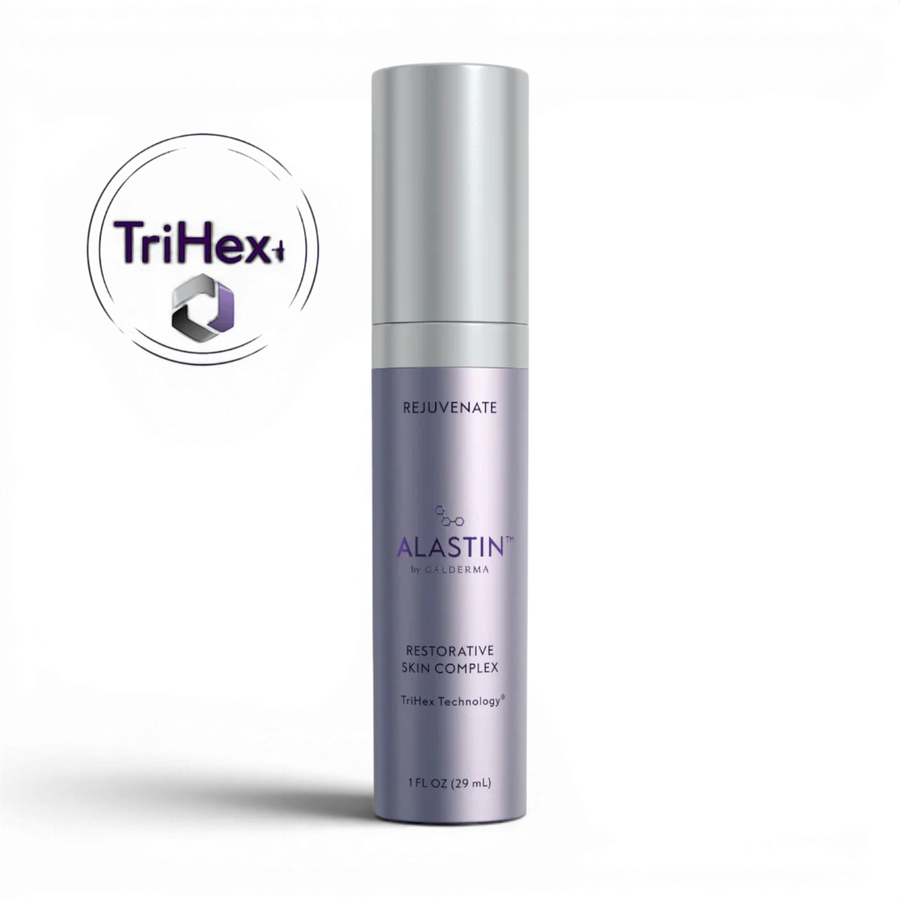

SKIN LAXITY FAQ
Questions patients often ask.
What is skin laxity?
Skin laxity is a reduction in firmness or elasticity that makes the skin or supporting tissue appear looser. It can occur alongside volume loss and tissue descent, but these are not the same problem.
What causes facial skin laxity?
Ageing changes in collagen and elastin, repeated ultraviolet exposure, genetics, hormonal change, weight change and deeper structural ageing can all influence facial firmness. More than one factor is often present.
What is the best non-surgical treatment for loose skin?
There is no universal best option. The amount of laxity, skin quality, facial structure, tissue descent, previous treatment, acceptable downtime and goals all influence the recommendation.
Can filler lift loose skin?
Filler may provide structural support in selected patients when volume or support is part of the problem. Adding volume is not the answer to every laxity concern and can be inappropriate when heaviness or tissue descent is dominant.
Can Morpheus8 help skin laxity?
Radiofrequency microneedling may improve firmness and texture in selected patients. Suitability depends on anatomy, skin quality, degree of laxity, medical history and whether the expected level of change is realistic.
How long does collagen stimulation take?
Collagen remodelling is gradual rather than immediate. The timeframe depends on the treatment used and individual response, so progress is assessed over time rather than promised by a fixed date.
Can skincare tighten loose skin?
Skincare can improve hydration, barrier function and the appearance of skin quality, but topical products cannot reproduce the structural change of an energy-based, injectable or surgical treatment.
When is surgery more appropriate?
When tissue descent or laxity is significant and the desired change exceeds what non-surgical treatment can reasonably deliver, a surgical opinion may be more appropriate. Face for Soul will not recommend procedures simply to avoid saying that.
YOUR FIRST STEP
Bring the change you are noticing. We will work out which layer is responsible.
You do not need to arrive knowing whether you need skin treatment, collagen stimulation, structural support or no procedure at all. Start with whole-face assessment at Face for Soul in Burford.