
LOWER-FACE HEAVINESS & JOWLING · BURFORD
Jowling is rarely just loose skin.
A softer jawline or heavier lower face can reflect several changes at once: tissue descent, skin laxity, loss of support, volume distribution, chin and jaw proportion, and previous treatment. Treating only the visible jowl can miss what is actually driving the pattern.

START WITH THE PATTERN
The lower face changes as several structures change together.
Jowling is a pattern, not a single tissue problem. What looks like looseness at the jawline may be influenced by changes higher in the face, tissue position, skin quality, structural support or the relationship between the chin, jaw and surrounding soft tissue.
At Face for Soul, Vaiva assesses the whole face before deciding whether the most useful next step is skin support, collagen stimulation, structural balancing, dissolving previous filler, waiting, referral or no treatment. The aim is not to make the jawline artificially sharp. It is to improve balance without adding unnecessary weight to an area that already feels heavy.
COMMON PATTERNS
What can sit behind a heavier lower face.
These patterns often overlap. The visible jowl does not tell us, on its own, which treatment will be useful.
Tissue descent & jowl formation
Soft tissues can sit lower over time, changing the transition between the cheek, mouth, jawline and neck.
Lower-face heaviness
Natural tissue distribution, ageing change or previous volume treatment can make the lower third feel visually heavier.
Loss of support & proportion
Changes in midface support, chin projection or jaw proportion can alter how clearly the lower-face contour reads.
Skin laxity & contour softening
Reduced firmness and elasticity can soften the jawline, but laxity is only one possible contributor.
VAIVA'S ASSESSMENT
We assess what is creating the heaviness before deciding what to change.
The lower face is particularly easy to over-treat. Looking upstream at support and proportion helps avoid adding more product directly into an already heavy area.
Burford · Oxfordshire
How cheek and midface structure relate to the lower face, and whether reduced support higher in the face is contributing to the visible contour.
Where fullness sits, whether the concern is descent, natural heaviness, localised volume or a combination of several factors.
Firmness, elasticity, texture and how much of the contour change is genuinely related to skin and tissue laxity.
Projection, width, asymmetry and how facial structure affects the visual transition through the jawline and lower third.
How habitual movement and soft-tissue tension relate to the overall facial pattern, without assuming they are the cause of jowling.
Existing product, past energy-based treatment, dissolving history and whether previous intervention may be contributing to weight or imbalance.
Wait / skincare / collagen support / energy-based treatment / biostimulation / structural support / dissolve / referral
WHOLE-FACE THINKING
Do not treat the jowl in isolation.
A lower-face concern can be influenced by what is happening above, beside and beneath it. The assessment looks at proportion across the face before deciding whether the jawline itself needs treatment.
NATURAL IS DISCIPLINE
More volume can make heaviness worse.
Jawline filler is not automatically the answer to jowling. If adding volume would increase weight or distort proportion, the better decision may be another approach, dissolving, waiting or no treatment.
RESULTS & PATIENT EXPERIENCES
Real lower-face cases will sit here.
We will only add genuine Face for Soul results when the photographs, treatment details and patient consent are verified. No stock before-and-after claims.
PATIENT RESULT
Case 1
Reserved for a genuine Face for Soul lower-face case with verified treatment details and consent.
PATIENT RESULT
Case 2
Reserved for a genuine Face for Soul lower-face case with verified treatment details and consent.
PATIENT RESULT
Case 3
Reserved for a genuine Face for Soul lower-face case with verified treatment details and consent.
Individual outcomes vary. Any images added here will show individual patient outcomes and will not guarantee a particular result.
TREATMENT STRATEGY
Treat the driver, not simply the edge of the jaw.
The treatment plan depends on whether the dominant issue is support, laxity, tissue distribution, proportion, previous filler or a combination.
Improve support upstream
Where anatomy supports it, selected Sculptra, Radiesse or conservative facial balancing may be discussed to support proportion rather than fill the jowl itself.
Improve skin quality & laxity
Morpheus8, Forma, microneedling or medical skincare may be relevant when skin quality or laxity is a genuine part of the concern.
Balance chin & jaw selectively
Structural treatment can sometimes improve lower-face proportion, but a sharper jawline is not automatically more natural. The amount and location matter.
Know when not to add volume
If previous filler is contributing to heaviness, filler dissolving may be considered. If tissue descent is beyond sensible non-surgical treatment, referral may be the better option.
RELATED CONCERNS
Jowling, laxity and volume loss are related, but they are not the same.
Explore skin laxity, facial volume loss and post-weight-loss facial changes to see how Face for Soul separates these overlapping patterns.
Book a whole-face assessmentEVIDENCE-INFORMED CARE
Lower-face ageing is multifactorial.
Jawline softening and jowling can reflect changes across skin, soft tissue and structural support. That is why treatment aimed at only one visible line or fold may not improve the overall facial pattern.
Non-surgical treatment has limits. Skin-quality treatments can support texture and firmness, while injectables may support selected areas of structure or proportion. Neither can reproduce the degree of tissue repositioning achieved by surgery when descent or laxity is substantial.
Explore the related clinical pathwaysFace for Soul concern and treatment pages
EXPECTATIONS
A better lower face does not mean chasing a perfectly straight jawline.
The aim is proportionate improvement that still belongs to your face. Lower-face plans often work better when they are staged and reviewed before more treatment is added.
The degree of change possible depends on anatomy, skin elasticity, tissue descent, previous treatment and whether the concern sits within the limits of non-surgical care.
ASSESS
Identify the driver
Separate support, tissue distribution, laxity, proportion and previous treatment.
PRIORITISE
Choose what matters most
Focus on the change most likely to improve overall balance rather than treating every visible feature.
TREAT
Intervene selectively
Use the minimum useful treatment and avoid adding unnecessary weight to the lower face.
REVIEW
Reassess before adding more
Let the result settle, then decide whether another step is genuinely useful.
WHAT SETS THE LIMIT
Some lower-face changes are better suited to surgery than repeated non-surgical treatment.
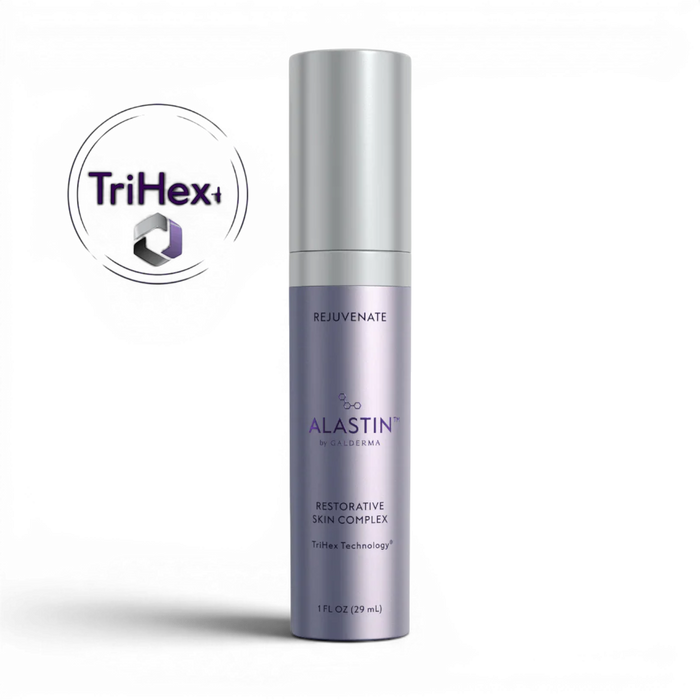
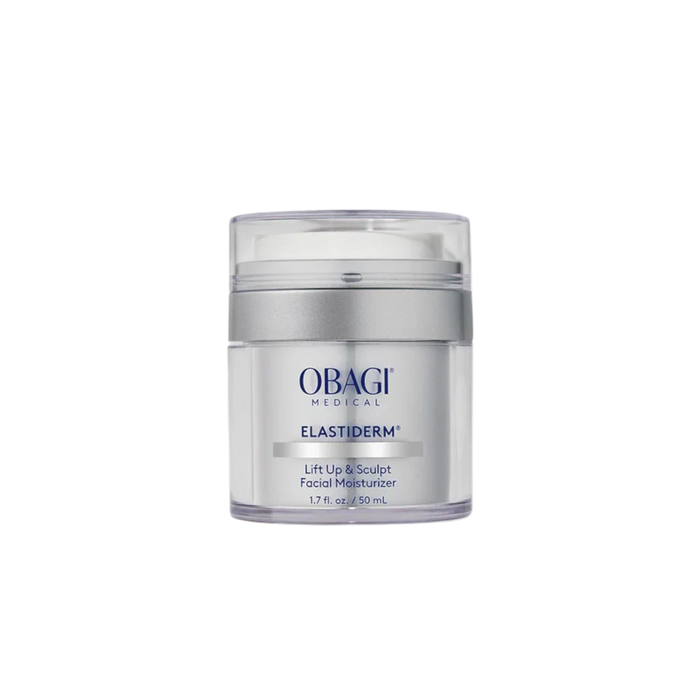
THE SKIN APOTHECARY
Support skin quality without pretending skincare can lift a jowl.
Topical skincare can support hydration, texture, photoprotection and the appearance of firmness. It cannot reposition descended tissue or recreate structural support.

FREQUENTLY ASKED QUESTIONS
Lower-face heaviness & jowling.
What causes jowls?
Jowling can reflect a combination of tissue descent, skin laxity, changing support, volume distribution, facial structure and ageing. The balance of these factors differs from person to person.
Is jowling just loose skin?
No. Loose skin can contribute, but apparent jowling may also involve soft-tissue position, loss of support, chin and jaw proportion, natural facial anatomy or previous treatment.
Can Morpheus8 get rid of jowls?
Morpheus8 may be discussed when skin laxity or collagen support is a reasonable treatment target. It does not correct every structural cause of jowling and cannot reproduce a surgical lift.
Does jawline filler help jowls?
It can be useful in selected faces where structural balance supports it, but adding filler directly around a heavy lower face can sometimes add unwanted weight. Assessment comes first.
Can filler make the lower face look heavier?
Yes, particularly when volume is added without considering existing tissue distribution or facial proportions. Previous filler is therefore part of Vaiva's assessment.
Can Sculptra or Radiesse help with lower-face ageing?
They may be considered where collagen support or structural treatment is appropriate. The choice, placement and amount depend on anatomy, skin quality and the overall treatment plan.
When is surgery more appropriate for jowls?
Where tissue descent or skin laxity is substantial, surgery may offer a degree of repositioning that non-surgical treatment cannot. Vaiva can advise when a non-surgical plan is unlikely to meet the goal.
What if I already have jawline or lower-face filler?
Existing filler should be assessed before more is added. If product position or volume is contributing to heaviness, waiting or filler dissolving may be discussed instead of adding further treatment.
YOUR FIRST STEP
Bring the heaviness or jowling concern. We will work out what is driving it.
You do not need to decide whether you need tightening, filler, biostimulation, skincare or no treatment before booking. Start with a whole-face assessment at Face for Soul in Burford.