
POST-WEIGHT-LOSS FACIAL CHANGES · BURFORD
Weight loss can change facial balance, not just volume.
After significant weight loss, the face may look different because several things can change at once: soft-tissue volume, skin laxity, contour, support and skin quality. The safest plan starts by separating those changes rather than treating every hollow or loose area in the same way.

START WITH WHAT CHANGED
Post-weight-loss facial change is not one diagnosis.
A leaner face can reveal pre-existing anatomy, reduce soft-tissue support and make laxity or hollowness more visible. The amount, speed and timing of weight change, age, skin quality and starting facial structure all matter.
At Face for Soul, Vaiva assesses the whole pattern before recommending anything. If weight is still changing, waiting may be the most sensible first step. If treatment is appropriate, the goal is not to replace every lost millilitre or chase the face back to an earlier version of itself. It is to restore proportion, support skin quality and intervene only where the anatomy justifies it.
COMMON PATTERNS
What people often notice after weight loss.
These patterns frequently overlap. The visible concern does not tell us on its own which treatment, if any, will help.
Hollowing & support loss
Cheeks, temples or the area around the mouth may look flatter or more hollow as soft-tissue volume changes.
Skin laxity
Reduced fullness can make looseness or reduced elasticity more apparent, particularly through the lower face and neck.
Altered lower-face contour
Jowling, folds or heaviness may become more noticeable as support and tissue distribution change.
Skin quality & crepiness
Texture, fine lines, dehydration and thinner-looking skin can become more visible even when structural change is the main concern.
VAIVA'S ASSESSMENT
We separate volume loss from laxity before planning treatment.
The consultation looks at the face as a system. That helps avoid a common mistake: trying to correct every post-weight-loss change with more volume.
Burford · Oxfordshire
How much has changed, over what period, whether weight is still changing and when the facial changes became noticeable.
Where fullness has reduced and whether the concern is true volume loss, shadowing, proportion or another structural change.
Skin recoil, tissue descent, crepiness and the degree to which looseness is contributing to the visible change.
Bone structure, facial proportions and how deeper support affects the way soft tissues sit.
Jowling, folds, chin and jawline relationships, and whether apparent heaviness is being driven by laxity, distribution or support.
Existing filler, prior procedures, tolerance for downtime and what a natural, proportionate result means to you.
Wait / skincare / collagen support / biostimulation / structural support / energy-based treatment / referral
WHOLE-FACE THINKING
Do not replace every hollow.
Loss of fullness does not automatically mean filler is needed everywhere. Over-replacing volume can create heaviness and distort proportion. Treatment should support the face selectively.
NATURAL IS DISCIPLINE
Timing matters as much as technique.
If weight is still changing, the face may continue to change too. Sometimes the most disciplined decision is to wait, reassess and avoid chasing a moving target.
RESULTS & PATIENT EXPERIENCES
Real cases will sit here, not stock treatment claims.
Post-weight-loss faces vary considerably. We will only add genuine Face for Soul cases when the photographs, treatment details and consent are verified.
PATIENT RESULT
Case 1
Reserved for a genuine Face for Soul post-weight-loss case with verified treatment details and consent.
PATIENT RESULT
Case 2
Reserved for a genuine Face for Soul post-weight-loss case with verified treatment details and consent.
PATIENT RESULT
Case 3
Reserved for a genuine Face for Soul post-weight-loss case with verified treatment details and consent.
Individual outcomes vary. Images, when added, will show individual patient outcomes and will not guarantee a particular result.
TREATMENT STRATEGY
The plan depends on what the weight loss has revealed.
Treatment is layered around the dominant problem rather than built from a fixed post-weight-loss package.
Stabilise the context
If weight is still changing, waiting can be appropriate. A stable baseline makes structural decisions more meaningful.
Improve skin quality
Medical skincare, microneedling or selected skin-quality treatments may support texture, hydration and resilience.
Rebuild support selectively
Sculptra, Radiesse or conservative dermal filler may be discussed when anatomy and goals support them.
Address laxity within limits
Morpheus8 or Forma may be considered where appropriate. Non-surgical treatment cannot reproduce a surgical lift.
RELATED CONCERNS
Volume, laxity and jowling are not interchangeable.
Explore facial volume loss, skin laxity and lower-face heaviness & jowling if you want to understand how we separate these patterns.
Book a whole-face assessmentEVIDENCE-INFORMED CARE
Post-weight-loss treatment needs realistic endpoints.
Facial appearance after weight loss reflects more than a single tissue layer. Soft-tissue volume, skin elasticity, underlying structure and ageing can all contribute. That is why a one-procedure solution is rarely a good clinical model.
At Face for Soul, treatment recommendations are based on the visible pattern and the limits of each modality. Aesthetic treatment can support skin quality, collagen or selected areas of structural support, but it cannot guarantee restoration of a previous facial shape.
Explore the clinical pathwaysRelated Face for Soul pages
TIMING & EXPECTATIONS
A stable plan is usually better than a fast one.
The face can continue to change during active weight loss. Treatment timing therefore matters, especially when structural volume or laxity is being assessed.
There is no universal waiting period. Vaiva will consider the direction and pace of change, your goals and the proposed treatment before advising on timing.
ASSESS
Identify the dominant change
Separate volume, laxity, skin quality and contour rather than treating them as one problem.
TIME
Check stability
If facial tissues are still changing, waiting may protect against unnecessary or poorly timed intervention.
TREAT
Use the minimum useful intervention
Choose the smallest combination of treatments that addresses the actual anatomy.
REVIEW
Reassess before adding more
Structural treatments often benefit from staged review rather than trying to complete the whole plan at once.
IMPORTANT LIMIT
Non-surgical treatment cannot recreate every change caused by major weight loss.
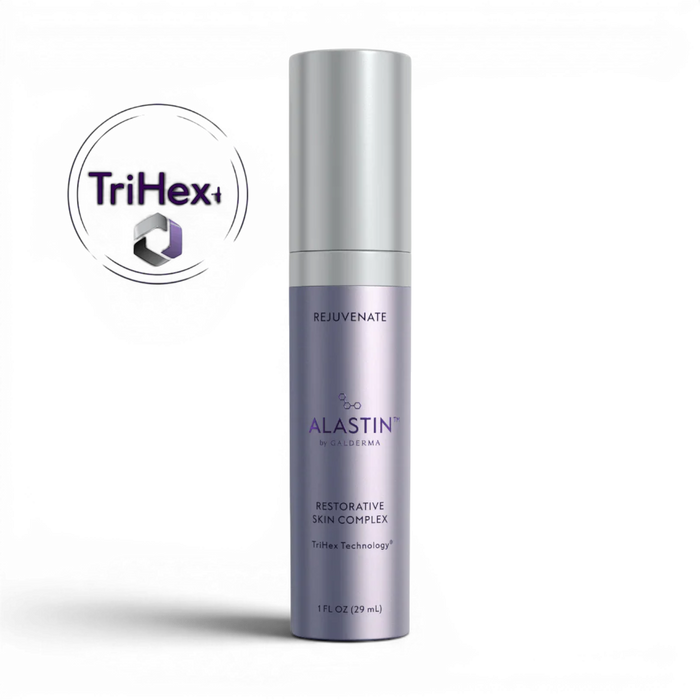
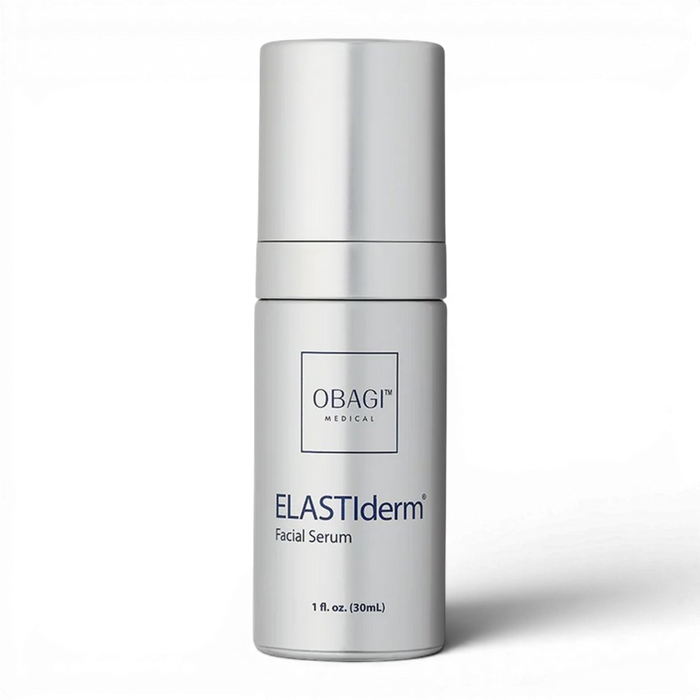
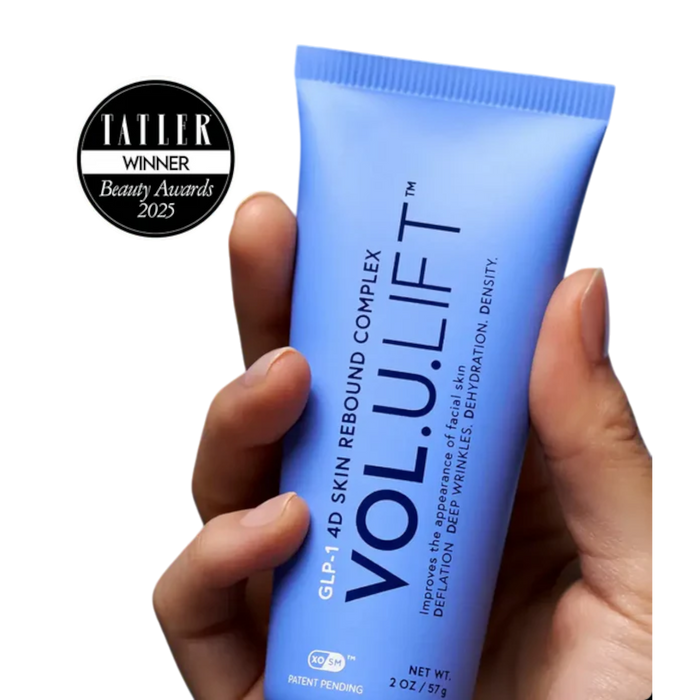
THE SKIN APOTHECARY
Support the skin while respecting what skincare cannot do.
Topical products can support hydration, texture and the appearance of firmness. They cannot replace deeper facial volume or lift structurally lax tissue.
FREQUENTLY ASKED QUESTIONS
Post-weight-loss facial changes.
Why does my face look older after losing weight?
Reduced facial fullness can make existing hollows, folds, laxity and skin texture more visible. Age, anatomy, skin elasticity and how quickly weight changed can all influence the pattern.
Should I wait until my weight is stable before treatment?
Often it is useful to assess stability because ongoing weight change can continue to alter facial tissues. There is no single waiting period for everyone, so timing should be discussed in consultation.
Will filler replace all the volume I have lost?
It should not be assumed that every perceived loss needs filler. Trying to replace volume everywhere can create heaviness or distort facial proportions. Structural support should be selective.
What is the difference between volume loss and skin laxity?
Volume loss refers to reduced soft-tissue fullness or support. Laxity refers to looseness or reduced tissue firmness. They can occur together but require different treatment reasoning.
Can Morpheus8 or Forma tighten loose skin after weight loss?
Energy-based treatments may be discussed for selected patients where skin laxity or collagen support is a reasonable target. Results vary and non-surgical devices cannot reproduce a surgical lift.
Can Sculptra or Radiesse help after weight loss?
Biostimulatory or structural treatments may be considered when the assessment supports them. The choice depends on anatomy, skin quality, degree of change and the result being sought.
Can skincare restore facial volume?
No. Skincare can support hydration, texture, barrier function and the appearance of skin quality, but it cannot replace deeper soft-tissue volume or structural support.
Does Face for Soul prescribe weight-loss medication?
This page is about facial and skin changes after weight loss. It does not advertise or recommend prescription weight-loss medicines. The consultation focuses on the aesthetic concern and whether any treatment is appropriate.
YOUR FIRST STEP
Bring the change you have noticed. We will help separate what is driving it.
You do not need to decide whether you need filler, collagen stimulation, tightening or skincare before booking. Start with a whole-face assessment at Face for Soul in Burford.